
Judi Dench Discloses Inability to Recognize Faces from Worsening Macular Degeneration

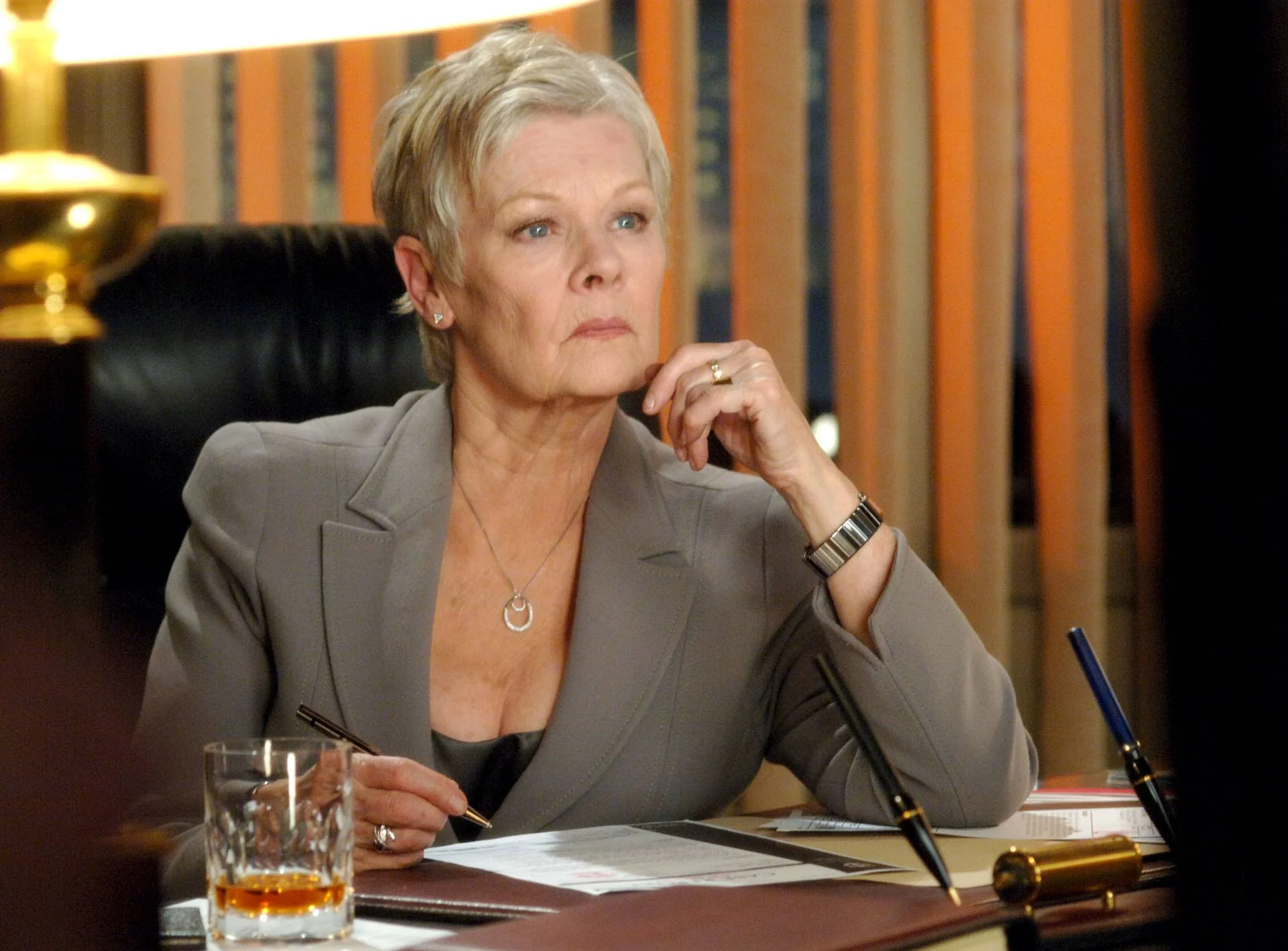
Judi Dench confronts the stark realities of her advancing vision loss in a candid exchange that lays bare the toll on daily interactions. The 90-year-old actress, long celebrated for her commanding screen presence, now navigates a world blurred beyond recognition. Her revelations cut through the glamour of her storied career, exposing vulnerabilities that even legends cannot escape.
Dench’s condition stems from age-related macular degeneration, a disorder that erodes central vision and affects millions over age 50, according to the Mayo Clinic. Diagnosed years earlier, it has progressed to the point where she can discern only outlines of familiar figures. In a recent ITV interview, she explained her reduced onscreen appearances with unflinching directness: “I can’t see anymore. I’ve got, you know, that thing.”
The conversation unfolded alongside fellow actor Ian McKellen, who lightened the moment with a quip about her visibility to others. Dench responded that while she could make out McKellen’s silhouette—owing to their decades-long acquaintance—she struggles profoundly with faces in general. “I can’t recognize anybody now,” she stated. “I can’t see the television, I can’t see to read.”
This marks a deepening of challenges she first detailed publicly in 2012. At that time, speaking to the Daily Mirror, Dench described relying on her daughter, agent, or close friends to read scripts aloud during preparations. She noted a silver lining in the process: “It’s usually my daughter or my agent or a friend and actually I like that, because I sit there and imagine the story in my mind.”
Yet the personal costs remain acute. Dench highlighted the anguish of evening dinners, where dim lighting exacerbates her impairment. “The most distressing thing is in a restaurant in the evening, I can’t see the person I’m having dinner with,” she shared in the 2012 account. McKellen probed further in the ITV segment, jesting, “But do you go up to total strangers and say, ‘Lovely to see you again?’” Dench admitted with a laugh, “Sometimes.”
Her career, spanning over seven decades, includes iconic turns that showcase her unparalleled range. Dench earned an Academy Award for her supporting role as Queen Elizabeth I in the 1998 film ‘Shakespeare in Love’. She later embodied M, the sharp-witted head of MI6, across eight James Bond installments from ‘GoldenEye’ in 1995 to ‘Skyfall’ in 2012.
These roles demanded precision in dialogue delivery and subtle emotional cues, skills now complicated by her vision. Despite the hurdles, Dench has adapted through auditory immersion and mental visualization, techniques that echo her early training at the Central School of Speech and Drama in London, completed in 1957.
The macular degeneration affects an estimated 200,000 Americans annually, with no cure but treatments like anti-VEGF injections that can slow progression. Dench has not specified pursuing such options, focusing instead on the human elements of her adaptation. Her openness underscores a broader narrative among aging performers, where physical limits test resilience without dimming legacy.
McKellen’s humor during the interview provided a brief respite, reflecting their bond forged in collaborations like the 1998 stage revival of ‘Present Laughter’. Dench’s willingness to share these intimacies arrives amid reflections on her selective projects post-‘Skyfall’, including voice work in ‘Ron’s Gone Wrong’ in 2021 and a cameo in ‘Allelujah’ in 2022.
As she approaches a milestone birthday, Dench’s disclosures invite contemplation on accessibility in the arts. Industry advocates have long pushed for script-reading aids and set accommodations, measures that could extend careers like hers. Her story, stripped of sentiment, affirms a truth: even as sight fades, the mind’s eye holds the scripts of a lifetime.