Nia DaCosta Discusses The Darker Tone Of ’28 Years Later The Bone Temple’

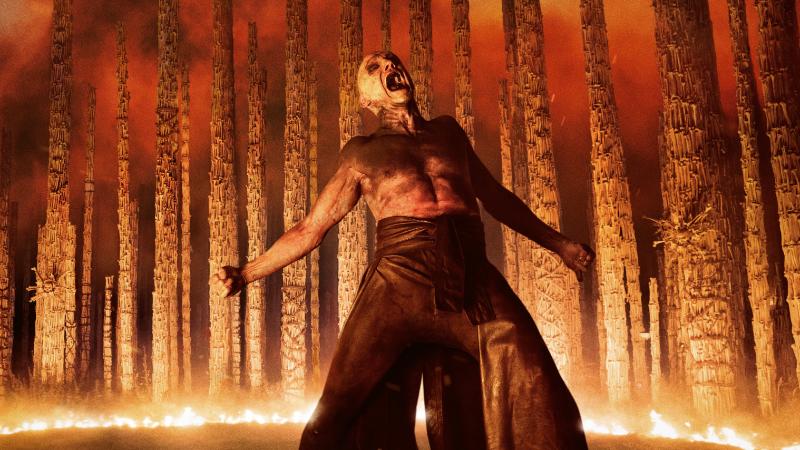
Nia DaCosta has officially stepped into the director’s chair for the second chapter of the revitalized horror franchise. Her film ’28 Years Later: The Bone Temple’ delves into significantly darker territories while maintaining a unique sense of hope. DaCosta recently sat down to discuss how she approached this pivotal middle chapter of the saga. She aimed to create a distinct visual and tonal world that separates itself from the 2025 predecessor directed by Danny Boyle.
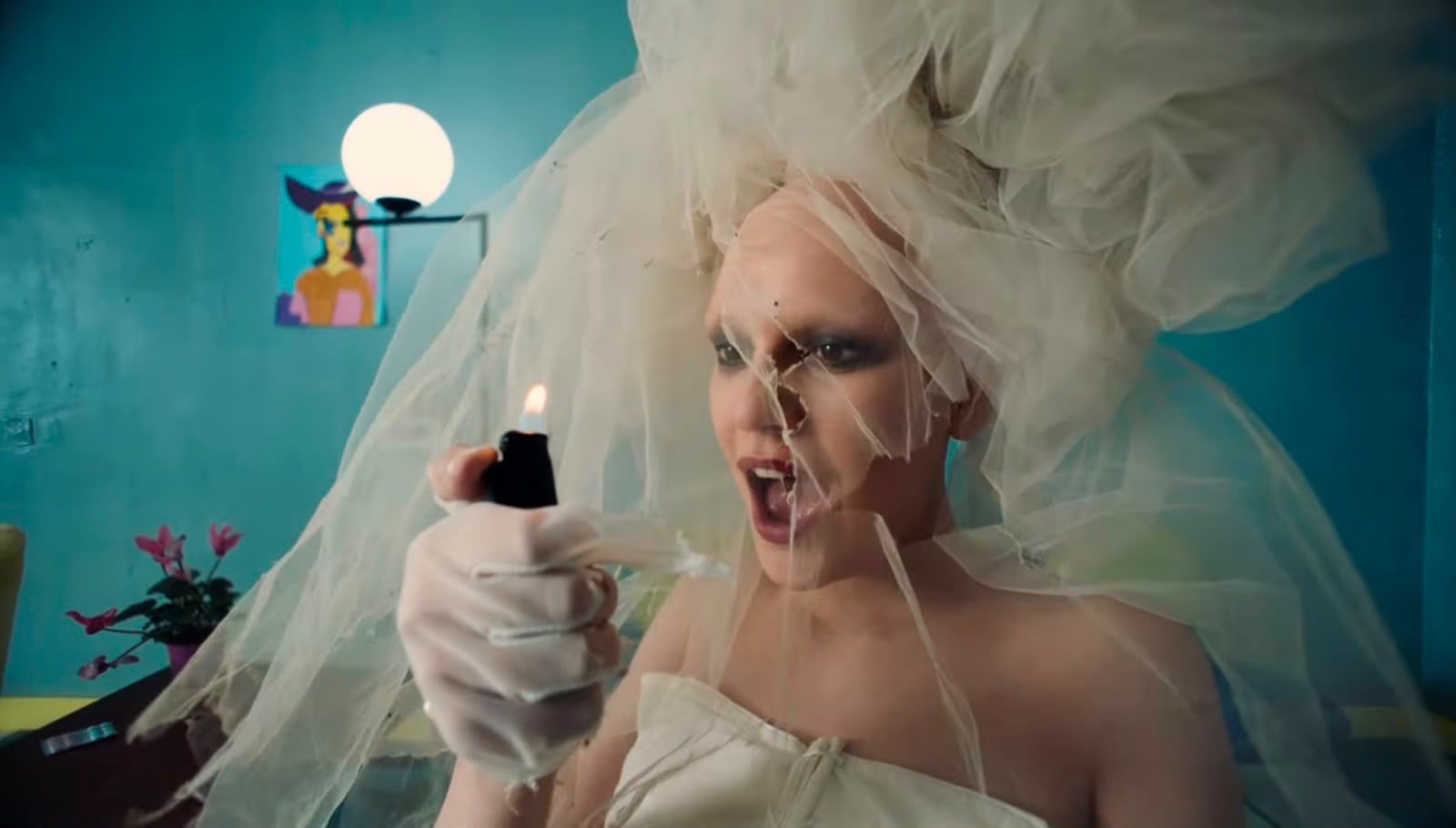
The narrative follows young Spike as he navigates a brutal landscape dominated by a cult known as The Jimmys. Jack O’Connell plays the unhinged leader Sir Lord Jimmy Crystal who models himself after a disgraced television personality. DaCosta described the production as a tonal tightrope walk between fierce horror and surprising humor. She wanted to explore the internal politics of this vicious cult and how they contrast with the solitude of other survivors.
Ralph Fiennes delivers a mesmerizing performance as Dr. Ian Kelson who constructs the titular ossuary from the remains of the infected. DaCosta explained that this structure represents the concept of death giving shape to life which is a core theme of the movie. This installment shifts the thematic focus from the nature of family found in the previous film to the nature of evil. The director felt it was crucial to show how humanity curdles under prolonged survival conditions yet still finds ways to connect.
A major point of discussion is the evolution of the infected characters within this new story. The film introduces Samson who is a formidable Alpha infected subject undergoing sedation experiments. DaCosta worked closely with writer Alex Garland to ensure these fresh developments felt earned within the established lore. They wanted to challenge the perception of the monsters by juxtaposing them against the calculated cruelty of the human characters.
The director also addressed the profound sense of hope she tried to embed in the narrative despite the violence. She believes the humanist vision Kelson posits is incredibly optimistic because it emphasizes leaning into one another for survival. This connection remains beautiful even when the world around the characters has completely fallen apart. DaCosta noted that the domesticity shown in the film acts as a form of rebellion against the chaos.
Audiences have praised the film for its bold stylistic choices and its refusal to merely retread old ground. The movie successfully sets the stage for a dramatic conclusion that promises to address the nature of redemption. DaCosta successfully carved out her own space in this legendary franchise while honoring the legacy of what came before. The back-to-back production schedule allowed for a seamless transition that keeps the energy high for the finale.
Please leave a comment to let us know if you think this sequel surpassed the intensity of the first film.
DON’T MISS: