
Is ‘Plastic Beauty’ Based on a True Story? Discover Netflix’s New Japanese Drama


Netflix is set to release another Japanese original that delves into a world many only see from afar, focusing this time on cosmetic surgery. ‘Plastic Beauty’ has generated excitement for weeks, thanks to a trailer that hints at rivalry, ethics, and some truly thought-provoking questions about beauty standards.
Naturally, many viewers are curious if this intriguing premise is inspired by a real case or clinic. The answer is a bit more complex than a straightforward yes or no.
‘Plastic Beauty’ does not adapt a book, manga, or a specific true story. Instead, Netflix Japan created the series from an original screenplay by Junya Ikegami, known for ‘The Blood of Wolves’. Therefore, there isn’t a single patient or scandal that directly inspired the plot.
However, labeling it as pure fiction overlooks the extensive research that informed it. The production team collaborated closely with Netflix to thoroughly investigate the contemporary cosmetic surgery industry in Japan, aiming to craft an authentic and original narrative rather than a sensationalized retelling.
The creative team aimed to explore the entire industry rather than recount a single person’s experience, and that research process is the foundation of the series. Director Yuki Saito, recognized for ‘Unmet: A Neurosurgeon’s Diary,’ led this effort alongside producers who have previously worked on other socially relevant Netflix Japan projects.
Producer Harue Miyake has stated that plastic surgery is increasingly common, with the potential for enhanced beauty being both empowering and confining. This tension between confidence and pressure is central to the entire show.
Rather than glorifying cosmetic surgery, the series delves into the emotional challenges that exist between what can be altered and what cannot, told from both the doctor’s and the patient’s perspectives. This dual viewpoint adds depth, making the premise feel less like a straightforward morality tale.
The show promises realistic depictions of surgical transformations and recovery, tackling serious themes such as postoperative depression and surgery addiction in its quest for an authentic medical and psychological portrayal. Special effects makeup plays a more significant role than one might expect from a typical hospital drama.
Executive producer Shinichi Takahashi has framed the entire project around a blunt question: what is beauty? This question served as the starting point for developing ‘Plastic Beauty’.
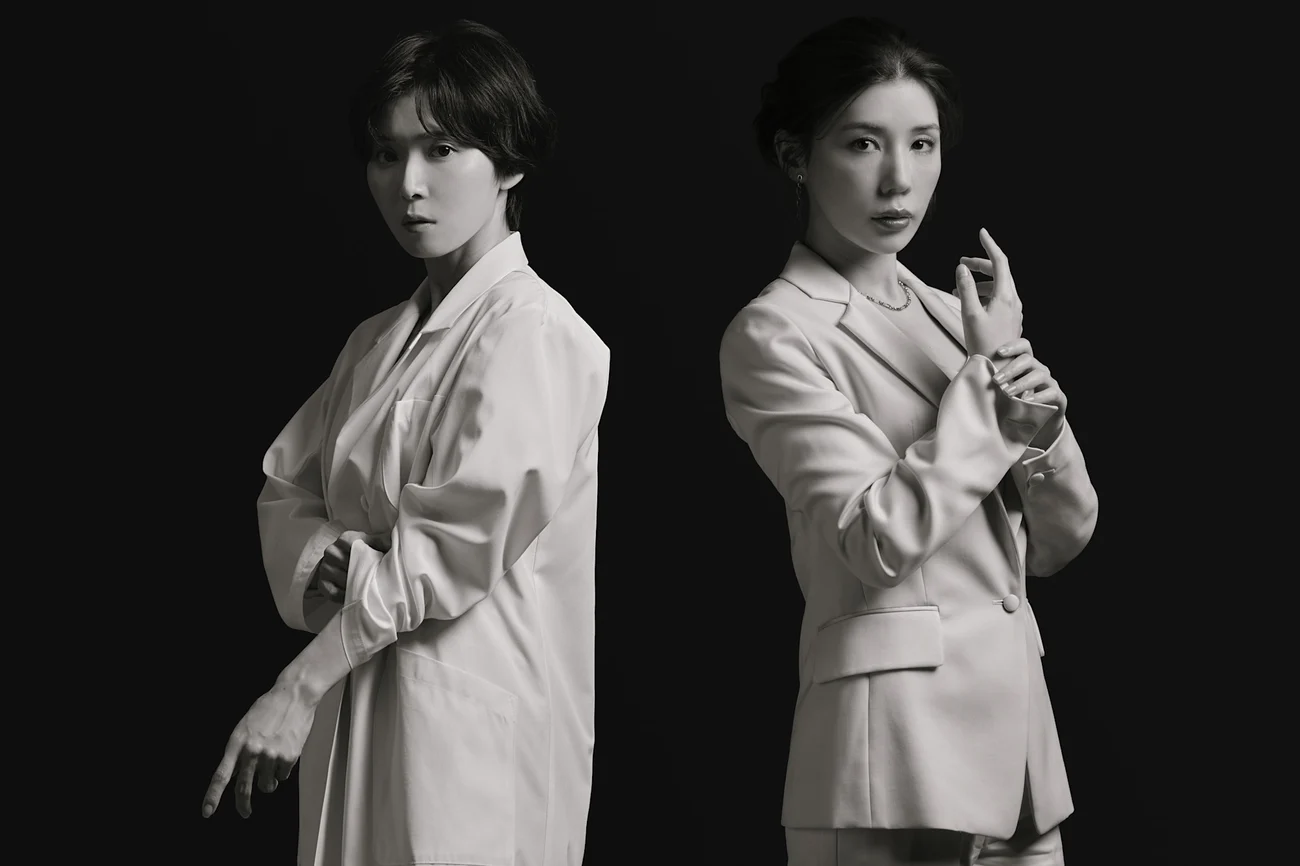
The narrative follows Fumi Numata, a skilled reconstructive and emergency room surgeon who is compelled to leave her university hospital. In search of a way to sustain her career, she takes a position at a cosmetic clinic led by Rin Tohyama, a renowned celebrity doctor who believes cosmetic surgery can help patients regain their confidence.
Fumi’s passion has always been saving lives through medicine, so when circumstances push her toward aesthetics instead of general surgery, she finds herself at odds with Rin, who views beauty as a form of salvation. This philosophical divide between the two women fuels much of the conflict.
The trailer showcases various patient stories instead of presenting cosmetic surgery as a singular success narrative. These include a young content creator seeking more online attention, a woman bored with her own appearance, a patient already dependent on repeated procedures, and a bedridden woman who sees one last surgery as her chance to feel beautiful again.
These cases put both doctors’ beliefs to the test, as Fumi can deem a procedure unnecessary, but that doesn’t negate the patient’s desires, while Rin can provide a new face without fully considering who profits when desire is commodified.
Mayu Matsuoka stars as Fumi Numata, while Riisa Naka portrays Rin Tohyama, anchoring a series Netflix describes as a suspense drama about two surgeons who fundamentally disagree on the purpose of cosmetic medicine.
Netflix is set to premiere the series on September 17, 2026, with a TV-MA rating. While the official title page has yet to confirm the episode count, Netflix has already released both a teaser and a full-length main trailer that runs just over two minutes.
‘Plastic Beauty’ fits into a broader trend of Netflix Japanese originals that explore hidden aspects of society, following previous successes like ‘The Naked Director,’ which examined the adult film industry, and ‘Tokyo Swindlers,’ which tackled real estate scams. This track record has led to high expectations.
As Fumi and Rin’s conflict over the true value of beauty unfolds throughout the season, which surgeon’s philosophy do you think deserves more empathy as patients begin to choose sides?