
‘Heart of the Beast’ Ending Explained: The Heart-Wrenching Truth of the Film’s Conclusion


David Ayer’s survival drama centers on retired Special Forces veteran James Belmont and his combat dog Odin, who find themselves stranded in the Alaskan wilderness after a plane crash. By the end of the film, audiences are left emotionally drained, with many questioning the true events that transpired. The ending of ‘Heart of the Beast’ is profoundly impactful, warranting a deeper examination.
Odin survives while James does not, delivering a gut-wrenching blow that the film has been subtly preparing viewers for since the very beginning. This breakdown will explore how the story concludes, the significance of the opening scene, and why critics believe the finale resonates so deeply.
The German Shepherd endures one last perilous journey before being discovered by a rescue team. This rescue serves as the culmination of a harrowing trek that leaves the duo 58 miles from the nearest road, without any means of communication. Throughout their ordeal, they encounter treacherous rivers, wild animals, and harsh terrain.
Unfortunately, James is not as fortunate. His deteriorating heart condition and physical exhaustion ultimately become insurmountable as they reach the final stretch of their journey. The film portrays his last effort as a selfless act, as he expends his remaining strength to protect Odin.
There’s a poignant irony in this situation. Despite suffering from a failing heart and recognizing that his time may be limited, James is resolute in reaching the road for reasons he never discloses to Odin. This quiet determination adds emotional depth to the ending, as his mission was never solely about his own survival.
Does Odin die in the film? The short answer is no. Fans who fear the typical heartbreak of dog movies can relax, as a member of the production team made it clear that the dog survives. Richard Raymond stated on X that everyone loves a dog, and Odin does not meet a tragic end.
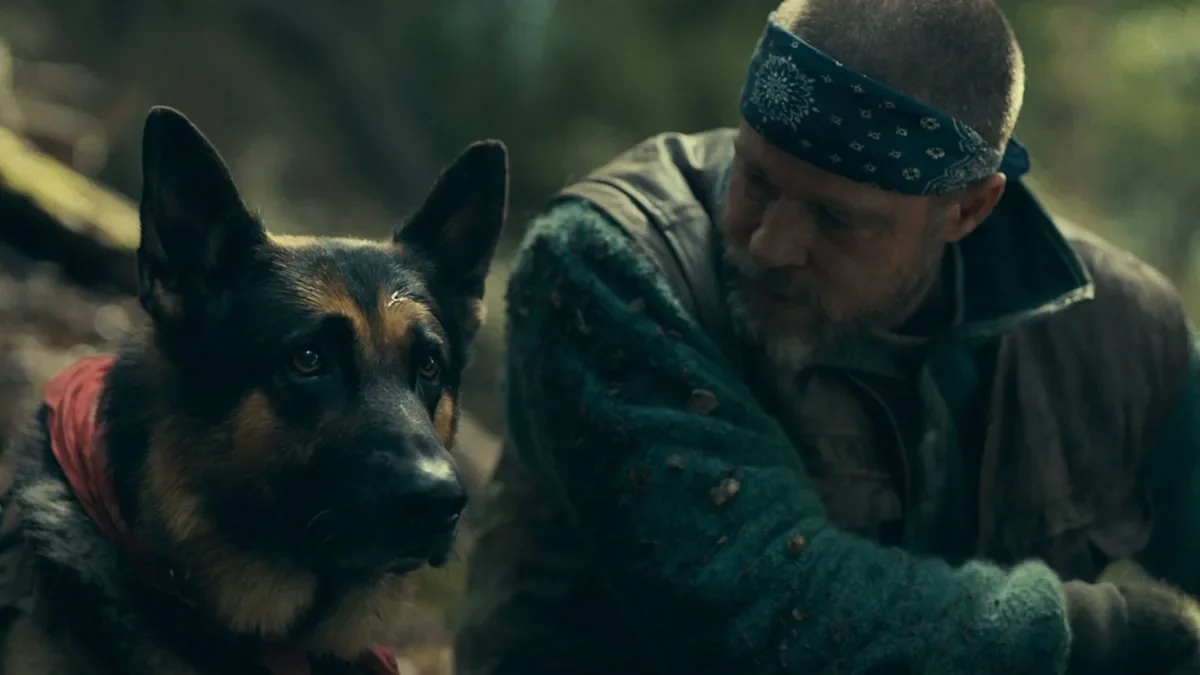
The film hints at this early on. Ayer effectively reassures the audience in the opening scene that the dog will survive, while also creating tension throughout the film that makes viewers question if that promise will hold true. This clever narrative technique ensures that knowing the outcome does not diminish the suspense.
Odin is no ordinary survivor. Equipped with titanium teeth and an artificial leg, he also battles PTSD from his years of service. Witnessing a dog with such a background endure these challenges makes his survival feel hard-earned rather than coincidental.
The film opens with a flash-forward, showing a van approaching Odin as he stands alone on a remote road. As the driver attempts to greet him, the narrative rewinds to a week earlier. Knowing the ending, this moment foreshadows the rescue.
This moment also raises a crucial question: if Odin is alone on that road, where is James? The film presents a glimpse of its conclusion at the start, then rewinds to a week earlier. This structure transforms the entire journey into a gradual revelation of the sacrifices made for that reunion with civilization.
Viewers who notice this framing may find themselves bracing for the worst throughout the film. The resolution arrives quietly, and it resonates because the film remains true to its promises. Everything foreshadowed in the opening is fulfilled, albeit not in the way one might wish.
James is not merely a stranded pilot; his heart attack in the cockpit is what leads to the crash, and Odin even attempts to revive him during the incident. The betrayal of his own body adds a layer of complexity to the wilderness setting, making it feel secondary to his personal struggles.
The narrative also delves into the burdens carried by both characters. While James has physically survived combat, he has never truly escaped its mental toll. Thus, the crash reveals his internal struggle rather than creating it. In this context, his final act of safeguarding Odin symbolizes a form of peace, the last thing he can offer his loyal companion who stood by him in battle.
Critics have highlighted the significance of their partnership throughout the film. The script shares the heroism between them, with James caring for Odin after the crash, and Odin reciprocating by looking out for James. This mutual devotion is what makes the ending feel less like a twist and more like a promise fulfilled.
Reviewers have been candid about the emotional impact of the finale. Screen Rant’s critic remarked that the ending is straightforward yet hits like a sledgehammer. Empire even warned dog lovers to keep tissues handy in their headline.
Part of what makes the finale so effective is its restraint. The film is largely devoid of dialogue, relying instead on the performances of Pitt and his loyal German Shepherd. With so few words, the final moments hinge entirely on their acting, and both deliver powerful performances.
The film premiered in Franklin, Tennessee on September 16 and is set to hit theaters across the United States on September 25. Now that you understand how the story concludes, the pressing question remains: did James receive the farewell he deserved, and was Odin’s solitary walk down that Alaskan road the perfect closing image or an excessively cruel note to end on?