
‘My Sad Dead’ Ending Explained: Understanding Netflix’s Quiet Ghost Story


The ending of ‘My Sad Dead’ does not feature a shocking twist or final jump scare. The Pablo Larraín miniseries premiered on Netflix on September 24, presenting a four-episode run that concludes with gentle, strange, and quietly devastating moments. If you found yourself pondering the finale, rest assured, you are not alone.
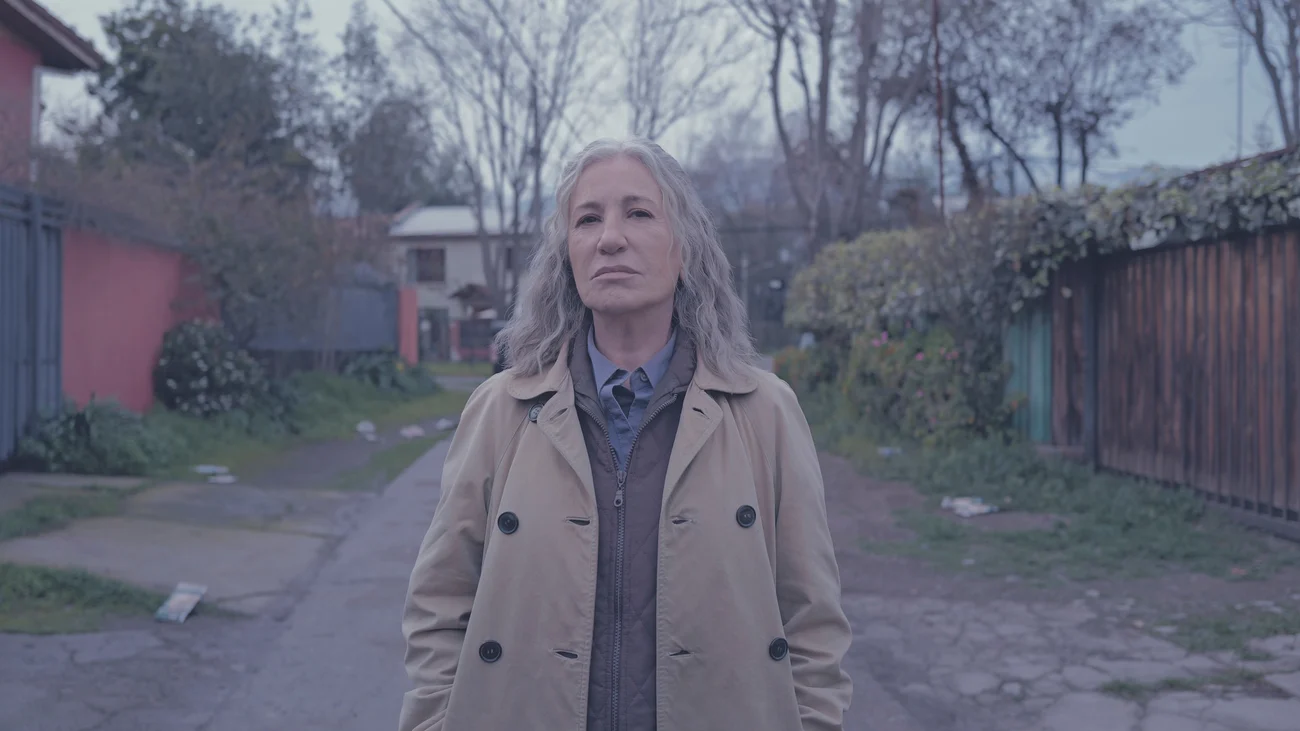
The narrative centers on Ema, a retired doctor mourning her mother, who possesses the ability to see and converse with the dead around her. This article explores the series’ conclusion, the fate of her niece, and the reason the ghosts linger. Spoilers are ahead.
The finale intricately weaves together Ema’s connection with the deceased, her niece’s complicated ties to them, and the violence that pervades their neighborhood. Julie ultimately meets her own tragic end, reuniting with her friends at Grandma’s house. This bittersweet reunion is poignant, as these friends are visible only to her and Ema.
This imagery is significant as it reflects the story’s beginning. Julie arrives with friends invisible to others, and her bond with them gradually spirals out of her control. At one point, Julie runs away, leaving Ema to grapple with a new crisis, while the audience is left aware of her whereabouts.
The closing scene illustrates the coexistence of the dead and the living, with Ema seated at the dining table alongside Grandma and Julie. There is no banishment or exorcism; instead, the series allows these two realms to share a space.
Ema and Julie represent two facets of the same gift. Both perceive the dead, yet their experiences differ significantly. While Julie’s connection is tumultuous and increasingly difficult to manage, Ema has spent her life avoiding human connections to protect herself from the grief of others.
One review describes Julie as more volatile, with a relationship to the supernatural that becomes messier over time. This contrast highlights why her conclusion resonates so deeply. Julie’s journey blurs the line between being connected to the dead and being overwhelmed by them.
In contrast, Ema’s character arc progresses in the opposite direction. She begins the series viewing her ability as something to endure, but by the finale, her relationship with her deceased mother transforms from horror to acceptance. The dead are no longer a burden she evades; they are simply part of her existence.
The ghosts in this narrative are not intended to frighten. A critic at The Film Verdict notes that these phantoms share a commonality—they died tragically, violently, or painfully and wish for the living to acknowledge their stories. This concept is central to the show’s conclusion.
Piedrabuena, the neighborhood depicted, is rife with violence, and the murder of three teenagers catalyzes a strange phenomenon. Reviewers interpret the ghosts as tangible reminders of the unresolved circumstances surrounding each death, which explains why the ending refrains from making them disappear.
This aligns with the creators’ intentions. Larraín has stated that the series reflects a city marked by poverty, violence, and neglected social classes. Micropsia interprets it as a macabre tale addressing social, political, and economic conditions that push individuals to their limits. Viewed this way, the ghosts’ persistence serves as a statement rather than an unresolved plot point.
The finale focuses less on unraveling a mystery and more on exploring how one continues to live with loss. Ema’s mother passed away just three weeks before the story commences, leaving her grief raw as the series unfolds. Since Ema can still see her mother, she never experiences the clean absence that most mourners encounter.
In a conversation with Variety, author Mariana Enríquez shared that her own mother is a doctor like Ema, and the neighborhood is inspired by a real place, with many violent situations drawn from reality and slightly altered. This grounding contributes to the series’ authentic feel. While the supernatural aspect is fictional, the surrounding pain is not.
Not everyone may find this conclusion satisfying. The Film Verdict argues that the series lacks a compelling narrative arc for something marketed as psychological horror. However, the show does not resolve everything neatly, and the ghosts do not vanish in the final scene, which seems to be the intended message.
So, when Ema joins Julie and Grandma at that last dinner table, does it convey a sense of peace, or does it signify that the dead of Piedrabuena will never truly release anyone?