
Discover Where ‘Forgotten Island’ Takes Place and Its Roots in Filipino Folklore


‘Forgotten Island‘ does not transport its heroes to a fabricated fairy tale kingdom. Instead, the new DreamWorks Animation feature is set in a very specific location, which has sparked excitement among critics and audiences this fall.
The film begins in the real world, specifically in the Philippines during the 1990s, before leading its two main characters through a portal into a mythical island that many may not be familiar with. This combination of nostalgic reality and folklore fantasy drives the narrative, making it worthwhile to explore in detail.
The story starts firmly on Earth, in the Philippines during the 1990s. The protagonists, Jo, voiced by singer H.E.R., and Raissa, portrayed by actress Liza Soberano, are childhood best friends who have just graduated high school.
The 1990s Filipino setting is not merely decorative; it plays a crucial role. The film is a Filipino American animated fantasy adventure comedy produced by DreamWorks Animation and distributed by Universal Pictures, with the decade chosen to reflect the childhood experiences of its creative team.
Before the portal opens, Jo shares a story about the forgotten island of Nakali and the Dreaded Manananggal at school. When a classmate ridicules her, she ends up in a fight and finds herself in the principal’s office, where she meets Raissa. This encounter marks the beginning of their friendship, long before either girl sets foot on the island that lends the movie its title.
Once the two friends discover a mysterious doorway, ‘Forgotten Island’ transitions to its titular location. The island, Nakali, short for Nakalimutan, is inhabited by enigmatic creatures drawn from Philippine mythology.
The central conflict is embedded in the island’s name. Nakali is notorious for erasing the memories of any human who visits, transforming a whimsical adventure into one with genuine emotional stakes for two best friends who are already on diverging paths in life.
The island is filled with characters inspired by Filipino legends rather than generic movie monsters. Jo and Raissa are joined by allies, including a weredog named Raww, and they must confront the fearsome Manananggal, a legendary Filipino creature reimagined for the film and voiced by Tony-winning performer Lea Salonga.
The consequences of leaving Nakali are significant. The girls learn that returning to the real Philippines means losing all memories of their friendship, compelling them to race against the island’s magic before they forget each other forever.
The choice to anchor ‘Forgotten Island’ in Philippine folklore was deeply meaningful for its filmmakers. Directors Joel Crawford and Januel Mercado drew from their shared Filipino heritage, exploring childhood stories and myths that have not previously received this level of animated attention.
Critics have made comparisons that highlight this approach. Just as Pixar’s Turning Red allowed director Domee Shi to incorporate her Chinese Canadian heritage, and how KPop Demon Hunters became Maggie Kang’s cultural tribute to South Korea, ‘Forgotten Island’ provided Mercado the opportunity to celebrate his Filipino roots on a grand scale.
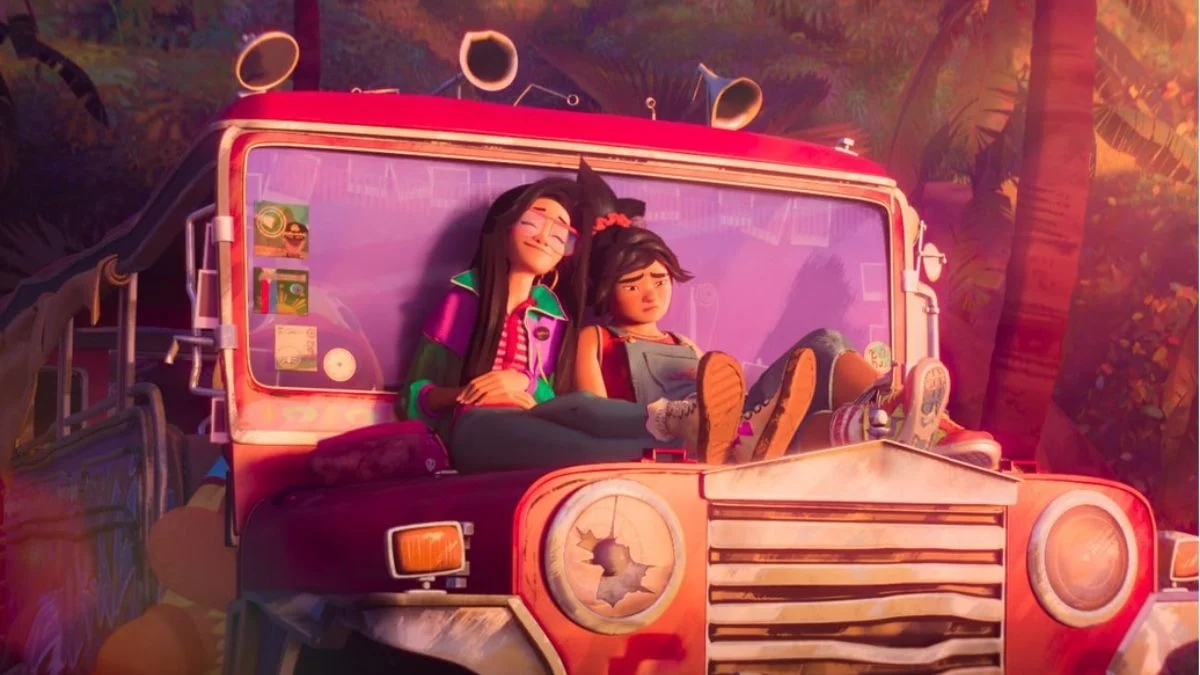
This cultural specificity extends beyond the script. The film’s composer traveled throughout the Philippines to study indigenous music, spending time with communities in Cordillera and Kalinga, as well as with the T’boli people near Lake Sebu, integrating those regional sounds into the score.
Early reviews indicate that this approach has been effective. One reviewer described ‘Forgotten Island’ as a hyper-kinetic, heartfelt celebration of Philippine folklore, commending its relentless energy and stunning visuals, which are among the best CGI animation since Across the Spider Verse.
The voice cast reflects this cultural authenticity. Alongside H.E.R. and Liza Soberano, the film features Dave Franco as Raww, Manny Jacinto, Jenny Slate, Dolly de Leon, and Lea Salonga as the Manananggal, honoring the heritage of its leads by casting numerous Filipino voice artists throughout.
Behind the scenes, Crawford and Mercado bring significant experience, having first collaborated on Kung Fu Panda 2 before working together on Puss in Boots, The Last Wish, for which they received an Academy Award, BAFTA, and Golden Globe.
Commercially, industry analysts projected ‘Forgotten Island’ would open domestically between 20 and 30 million dollars, aligning it with previous original DreamWorks titles like The Bad Guys and Abominable rather than guaranteeing blockbuster status. The film debuted in the United States on September 25, 2026, and has earned 5 million dollars against an 80 million dollar budget in its early run.
Critically, the response has been overwhelmingly positive, with the film achieving a 100 percent Tomatometer score in its early reviews, with praise focusing on its thoughtful representation of the culture at its core.
With its real-world 1990s Philippines backdrop and the mythical island of Nakali at its heart, ‘Forgotten Island’ is clearly banking on the idea that audiences desire animated adventures grounded in something authentic and meaningful. Now that you know the story behind Nakali, do you think this is the Filipino folklore film that will finally resonate like Turning Red and KPop Demon Hunters did for their respective cultures?