
Is ‘A Tale of Two Cities’ Over? Kit Harington’s Dickens Drama Season 2 Update


‘A Tale of Two Cities’ has returned to screens with Kit Harington portraying Sydney Carton, and fans are already speculating about the potential for more episodes. The four-part limited series premiered on 6 September 2026, releasing weekly on MGM+ in the United States and BBC One in the United Kingdom. As the series progresses towards its conclusion, discussions have shifted from the on-screen events to the future of the show itself.
So, is there a chance for a sequel to ‘A Tale of Two Cities’? Currently, the answer seems to be no. Here’s what we know about the possibility of season 2, the series format, and the challenges of continuing Dickens’ narrative.
Reports indicate that the drama has not been renewed, and there is no confirmed release date, production schedule, or returning cast for another season. This information comes from a fan-focused site rather than an official studio announcement, making it more of a reflection of the current sentiment. Nevertheless, official sources do not suggest that a continuation is in the works.
The initial concept of the project supports this notion. Federation Stories and Thriker Films marketed it as a four-part drama adaptation for MGM+ and the BBC. A listing site further clarifies that the show was intended to tell a complete story within a single season, with no plans for a second installment.
The show debuted to significant attention. A premiere week roundup from The A.V. Club highlighted Harington, known for his role in ‘Game of Thrones’, taking on another literary classic on MGM+ on Sunday nights. Such buzz typically fuels renewal discussions, even when the format suggests otherwise.
Limited series are generally crafted with a clear beginning, middle, and end, making surprise renewals less common compared to ongoing dramas. However, there remains a glimmer of hope. If the series continues to attract viewers and generate buzz, producers might consider the creative and commercial viability of a follow-up. Reactions from fans are mixed, with some preferring to leave the story as it is.
Critics have praised the concise structure of the series. One review suggested that a four-hour limited series aligns better with the material than a sprawling multi-season narrative. This is particularly relevant given the tightly woven nature of the source novel.
Harington and writer Daniel West framed the project as a standalone event from the outset. They described it as an original historical blockbuster, blending a poignant romance with a gripping revenge mystery set during the French Revolution. This framing suggests a complete narrative rather than the start of a franchise.
The main cast is notable. Kit Harington stars as Sydney Carton, François Civil portrays Charles Darnay, and Mirren Mack plays Lucie Manette. Harington also serves as an executive producer, contributing to the project behind the scenes.
The series is created and written by Daniel West and directed by Hong Khaou and Richard Clark, showcasing a blend of period drama expertise and fresh perspectives. One report even describes the adaptation as framing the classic story as a modern psychological thriller rather than a romanticized period piece.
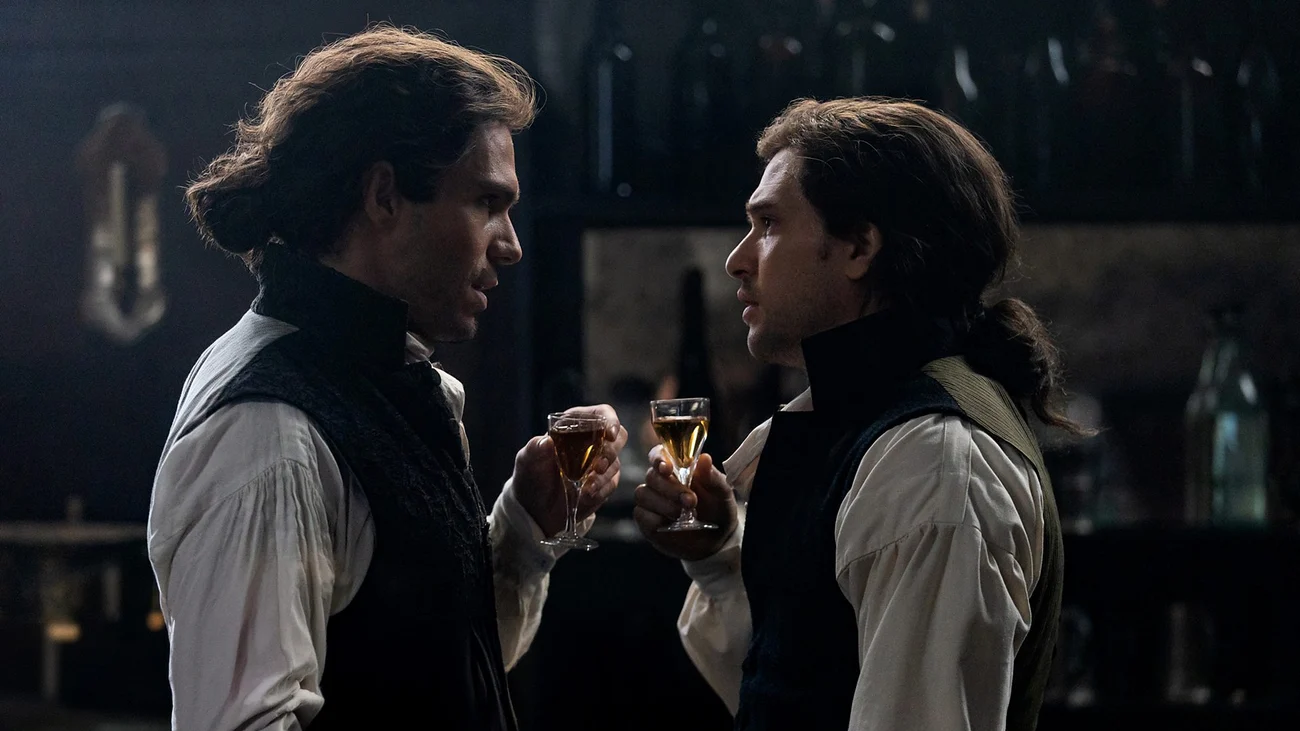
A clever decision was casting two lookalikes for the roles of Carton and Darnay. This choice allows the resemblance to feel like fate rather than a mere trick, giving Harington the opportunity to develop a Carton that stands independently.
On the production side, the series is produced by Federation Stories in collaboration with Federation Studio France and Thriker Films for MGM+ and the BBC. This extensive partnership complicates any discussions about a potential continuation.
The narrative itself presents the biggest challenge for a follow-up. Set in 1782 during the conflict between Britain and France, it follows Lucie as she discovers her father is alive and Carton as he navigates a tragic love triangle. Once these storylines conclude, there is little left in the book to adapt.
One listing bluntly states that the source material follows a specific chronological arc that culminates in a definitive sacrifice. This pivotal moment is the emotional core of the tale, and extending the story beyond it could undermine its impact. Fans of Dickens are particularly protective of this ending.
Previous adaptations have treated the story similarly. Notable past versions include a 1935 MGM film featuring Ronald Colman, a 1958 British film with Dirk Bogarde, a 1980 television adaptation, and a 1989 BBC miniseries. The 1989 version, for instance, was crafted to reach Carton’s final stand at the guillotine, and none sought a sequel.
This leaves a spinoff or original continuation as the only feasible options, but no announcements have been made in this regard. For now, the tale appears to be complete. As the weekly run concludes, would you prefer to remember Harington’s Carton as a singular, perfect Dickens portrayal, or would you like to see Lucie and Darnay venture into whatever awaits them in Paris?