
The Monster Haunting Chris Hansen in ‘Primetime’ Explained


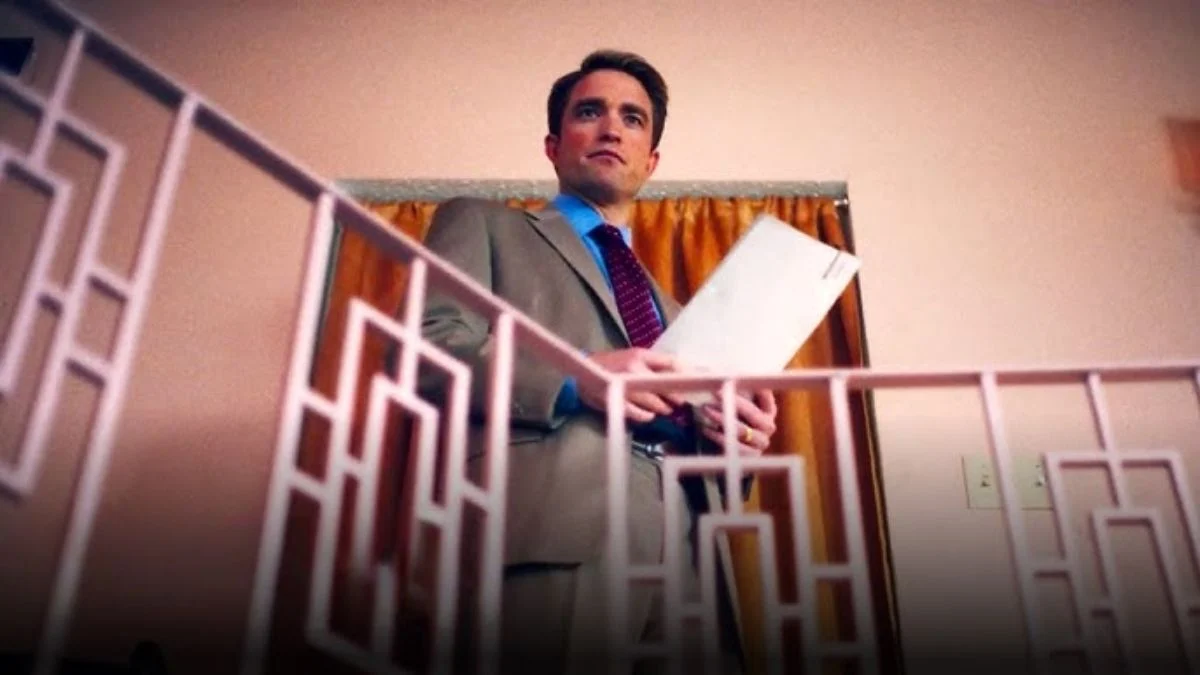
Few endings this year have left audiences as unsettled as the final moments of ‘Primetime’. A24’s psychological crime thriller features Robert Pattinson as the ‘To Catch a Predator’ host, culminating in a haunting image that has viewers questioning the significance of the dark creature Chris Hansen encounters at the end.
Directed by Lance Oppenheim, the film intertwines archival reality TV and news footage with a progressively darker fictional narrative. This blend of documentary style and nightmarish visuals is precisely why the creature’s impact resonates so deeply. Here’s what it symbolizes and why it lingers.
In the film’s most chilling scenes, an enigmatic monster lurks in the shadows, observing Chris without ever taking action. This presence feels more like a manifestation of conscience than a direct threat, and that eerie stillness amplifies its significance.
The movie also provides a backstory for the creature. Chris recalls a local girl who claimed to have seen a monstrous being in a cave that had taken children, a memory that propels him toward his mission. It inspires him to create ‘To Catch a Predator’ in an attempt to rid the world of this ancient evil.
This framing elevates Hansen’s quest to a mythic level, revealing a self-serving aspect. The creature embodies the monster he believes he is pursuing, while also reflecting the hero complex that drives him.
The narrative begins on a high note. Hansen and his producer Andie, portrayed by Merritt Wever, celebrate the show’s move to a primetime slot to compete against ‘Lost’. However, the pressure to achieve high ratings leads the production down a perilous path.
The climax centers around a tragic real-life event. In November 2006, Rockwall County assistant district attorney Bill Conradt took his own life as Texas police and the production team entered his home with search and arrest warrants. This moment serves as the catalyst for the film’s unraveling.
After this incident, Hansen spirals. As the demand for ratings intensifies, he begins to lose his grip on reality, ultimately found standing in a yard, mumbling to himself about his planned interview with Bill. It’s a haunting portrayal of a man unable to process the consequences of his show.
A crucial detail is that the monster remains. In the lead-up to the climax, the film visually connects the creature with the specific predator being targeted, yet even after Conradt’s death, the creature persists. A lesser film might have allowed it to vanish, signaling victory.
The creature’s continued presence alters the narrative entirely. Had it disappeared with Conradt’s passing, it could imply that Hansen had finally vanquished the evil he pursued. Instead, it underscores that the obsession has not faded. The threat was never solely external.
One interpretation from critics is even more damning. Hansen’s psyche may simply refuse to acknowledge that his own greed played a role in the attorney’s death, and the mechanism he constructed to combat the monster has been shattered, allowing it to roam free. His repeated catchphrases at the end seem less like affirmations and more like a means of coping.
The filmmakers also challenge viewers. Producer Garber poses the question of what it costs to succumb to the things that haunt us. This inquiry looms over every frame of the film’s final act.
While the film is grounded in reality, it takes creative liberties. Written by Ajon Singh and based on an article by Luke Dittrich, the creature itself is a fictional element symbolizing Hansen’s psychological state.
The climax’s staging is also dramatized. Oppenheim depicts the sting occurring on a dark, stormy night, while the actual event took place in daylight. Similarly, Hansen was present during the raid but did not experience the catatonic breakdown portrayed in the film.
There is also a blending of events, as the film seems to merge two separate investigations into one moment. However, Hansen did lead a 2003 investigation in Cambodia into the sex trafficking of underage children. The monster’s origin story is a dramatic invention built on a real foundation.
At its core, the movie raises uncomfortable questions, probing the dark essence of how ‘To Catch a Predator’ transformed potential sex crimes into entertainment. The creature may be the clearest representation of that guilt, prompting viewers to consider whether Hansen was ever truly hunting a predator or merely confronting his own reflection lurking in the shadows.