
Did ‘Other Mommy’ Use Generative AI? Unpacking the Horror Film’s Visuals


The convergence of generative artificial intelligence and contemporary filmmaking has ignited intense discussions throughout Hollywood in recent years. Audiences have become increasingly vigilant, examining visual effects and background elements in major releases for any signs of synthetic automation. As algorithmic tools evolve rapidly, debates about production ethics and visual authenticity continue to shape cinematic conversations.
This heightened scrutiny significantly impacted the theatrical release of Blumhouse and Atomic Monster’s supernatural thriller ‘Other Mommy’, which hit theaters in October 2026. Directed by British filmmaker Rob Savage and based on a screenplay by Nathan Elston, the film adapts author Josh Malerman’s acclaimed 2024 psychological horror novel ‘Incidents Around the House’. The narrative follows seven-year-old Bela, portrayed by Arabella Olivia Clark, whose family disintegrates when a sinister entity emerges from her bedroom closet, wearing her mother’s face.
Despite rampant speculation circulating on social media since its opening weekend, ‘Other Mommy’ was not created using generative artificial intelligence tools. While rumors suggested that computer algorithms were behind the film’s distorted, dreamlike aesthetic, studio materials and creative statements confirm that the supernatural horror was crafted through traditional digital visual effects and live-action filmmaking. The project utilized professional animators, stunt choreography, and standard post-production methods instead of generative machine learning models.
The initial rumors primarily emerged from online communities like Reddit following the film’s theatrical release. Observant moviegoers quickly analyzed the unsettling visual style, with some suggesting that a peculiar cartoon broadcast on a television in Bela’s bedroom might be synthetic. Others noted that the rapid editing transitions and uncanny facial expressions exhibited the surreal, rubbery quality often associated with automated software.
Critical commentary further fueled audience intrigue as early reviews drew stylistic parallels to algorithmic imagery. Several critics likened the film’s distorted hallways and hyper-artificial sequences to surreal dreamcore videos that circulate on social media. These visual descriptions were artistic evaluations of the film’s nightmarish tone rather than literal assertions about the technology used behind the scenes.
Beyond the technical speculation, cultural commentators observed that the entity itself serves as a disturbing metaphor for generative software. In the film, the shapeshifter mimics a loving parent to exploit a lonely child’s yearning for connection, providing an imitation of maternal comfort that conceals a parasitic void. The creature offers unconditional attention while gradually threatening to empty the young girl’s life from within.
In discussing the monster’s predatory psychology, Savage highlighted how the figure employs emotional manipulation rather than relying solely on brute force. “She’s an insinuating, gaslighting figure,” the director explained to SciFiNow while discussing the character’s deceptive nature. Savage added that maintaining ambiguity around the entity’s true supernatural rules ensures the psychological dread lingers in the audience’s mind long after the story concludes.
Much of the eerie disorientation in ‘Other Mommy’ actually stemmed from Jessica Chastain’s visceral physical performance rather than digital automation. Portraying both the distracted businesswoman Ursula and her demonic doppelgänger, the Oscar winner relied heavily on contortionist body language and chilling smiles. Chastain embraced the unsettling physicality of the impostor, executing unnerving poses under kitchen tables and throughout domestic hallways.
Savage directly addressed the assumption that digital enhancement or complex visual software created the villain’s disquieting physicality. “There are things that Jessica can do just using her face, just using her body that are mind-blowingly terrifying,” Savage revealed to Bloody Good Horror regarding her on-set dedication. When the filmmaker encouraged her to push the terrifying contortions even further during filming, Chastain boldly responded, “Fucking watch this.”
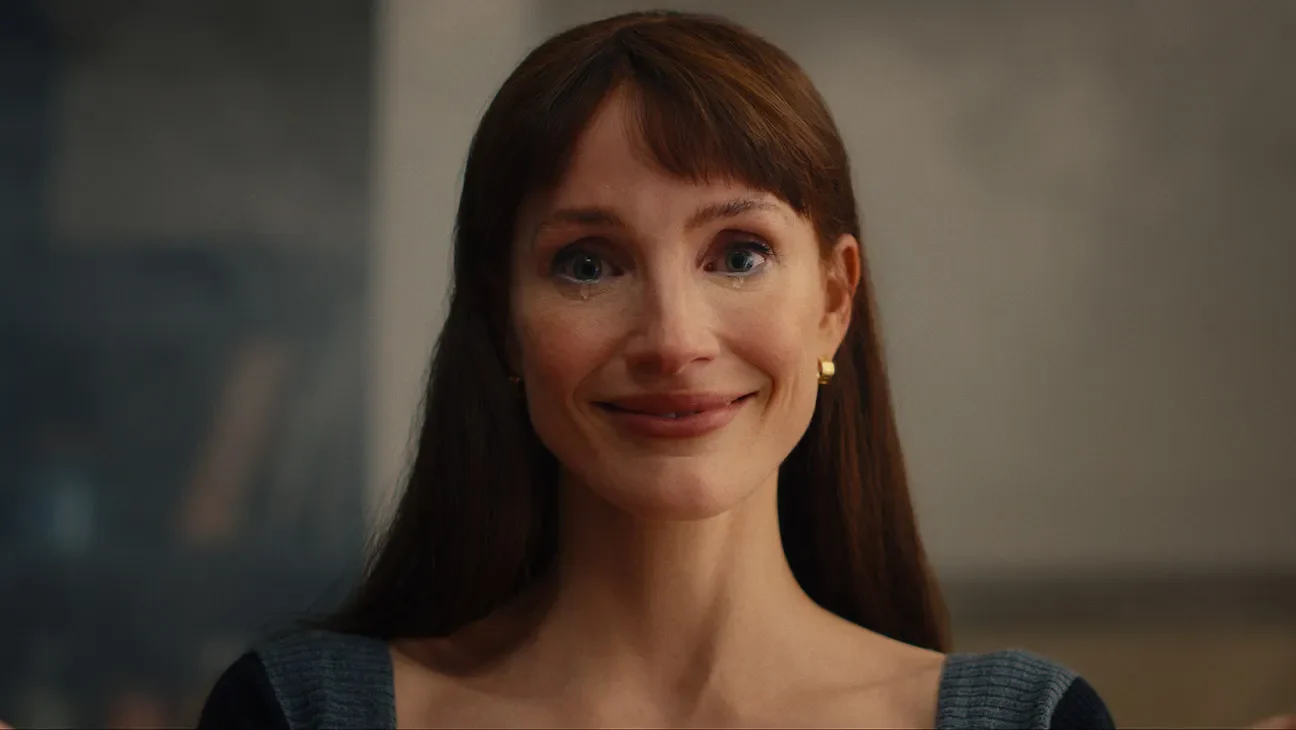
The film’s most intricate supernatural sequences, including an endless plastic ball pit and floating apparition scenes, were created using standard CGI and practical staging. Rather than taking shortcuts with generative tools, the $19 million production employed seasoned artists to craft its surreal nightmare visuals. While some critics criticized the heavy use of visual effects as excessive, the technical team executed every shot using industry-standard computer graphics software.
Despite receiving a disappointing D+ CinemaScore from early viewers, ‘Other Mommy’ dominated the domestic box office with an estimated $27.5 million opening weekend. The intense online debate regarding whether the horror film relied on synthetic media highlights how sensitive modern audiences have become toward emerging creative technologies. For now, the chilling terror lurking behind the closet door remains a product of human artistry and committed acting.
Share your thoughts in the comments below on whether the uncanny visual style in ‘Other Mommy’ felt like brilliant practical filmmaking or suspicious digital trickery.