
Is ‘Crystal Lake’ Canon to the Movies? Exploring the Peacock Prequel’s Connections


For over forty years, the ominous waters of Camp Crystal Lake have haunted the slasher genre, creating a legacy steeped in bloody revenge and hockey-masked horror. This enduring franchise has captivated horror enthusiasts with its extensive lore, even as intricate rights disputes left the property inactive for more than a decade. Fans have spent generations analyzing every installment, from the woodlands of New Jersey to the far reaches of outer space.
After years of contentious copyright battles, A24 and Peacock have ventured back into the cursed woods with ‘Crystal Lake’. This ambitious television project focuses on Pamela Voorhees and the tragedy that ignited decades of cinematic carnage. Fans eagerly anticipate whether this small-screen endeavor fits within the cherished movie timeline.
When it comes to whether ‘Crystal Lake’ is strictly canon to the films, the answer is complex: the series serves as a spiritual prequel rather than a chronological companion. While it draws directly from established mythology, the show modifies key dates to tell a new story. Instead of being a strict lead-in, it recontextualizes the tragic history that gave rise to Jason Voorhees.
In Sean S. Cunningham’s 1980 classic ‘Friday the 13th‘, young Jason drowns in 1957, laying the groundwork for the tragic backstory that leads to the camp’s ill-fated reopening. In contrast, ‘Crystal Lake’ shifts Jason’s apparent drowning to 1971, focusing the narrative on Pamela in 1972. This timeline adjustment preserves the essential emotional beats while reshaping the chronology to fit episodic television.
This change allows showrunner Brad Caleb Kane to delve into Pamela’s descent into madness with a modern dramatic urgency. Kane expressed his connection to the franchise in a statement reported by IGN, stating, “From the moment I watched Jason Voorhees squeeze a guy’s eyeball out of its socket (in glorious 3D!) at the tender age of 8 years old, I knew my creative path was someday destined to converge with The Man Behind The Mask.”
The modified continuity also reflects the historic legal resolution that made this television project possible. For years, original screenwriter Victor Miller held the domestic rights to the 1980 film, while producer Sean S. Cunningham retained the rights to the adult, masked Jason. This division left the slasher titan in legal limbo, halting new feature films from being produced.
By collaborating with both rights holders, A24 gained unprecedented access to the entire multimedia catalog across 12 films. Former showrunner Bryan Fuller emphasized the remarkable scope of that agreement in an exclusive interview with Fangoria, confirming, “As a streaming series, we have the rights to do everything underneath the Friday the 13th umbrella.” Fuller even joked that the production could venture into space if it lasted 10 seasons.
This expansive clearance enables the series to draw lore from across the cinematic universe, integrating elements that were previously restricted by separate studio agreements. Even with the creative shift to Kane, the narrative framework maintains this rare freedom to incorporate classic film callbacks into the broader story. Consequently, the series can pay homage to later sequels like ‘Friday the 13th Part 2’ while carving out its own unique path.
In addition to the central tragedy of Linda Cardellini’s Pamela Voorhees, ‘Crystal Lake’ intricately weaves into franchise history by introducing Jason’s long-rumored father, Elias Wittering. Though he was scripted in early drafts of ‘Friday the 13th Part VI: Jason Lives’ and referenced in tie-in media, Elias has never appeared on screen until now. His introduction in live-action addresses decades of fan speculation regarding Jason’s lineage and tumultuous home life.
The series also populates the doomed township with familiar legacy characters, including local harbinger Crazy Ralph, Officer Dorf, and diner owner Trudy. By focusing on these peripheral townspeople, the narrative enriches the local history that directly contributes to the original film’s deadly massacre. Witnessing these characters before the slaughter adds weight to the eerie warnings Ralph delivers in the 1980 classic.
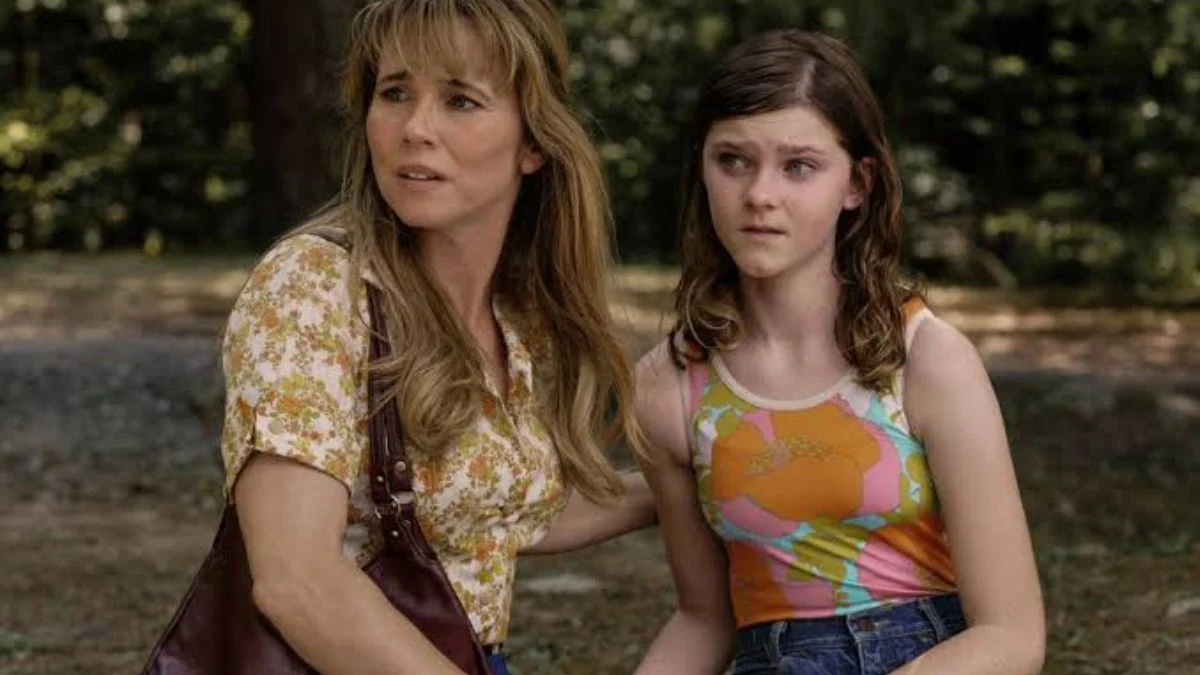
Ultimately, ‘Crystal Lake’ serves as a modern companion piece to the film franchise, honoring the iconic themes of maternal trauma and wilderness paranoia. While diehard continuity purists may question the altered dates, the project stands as an authentic, bloody love letter to slasher cinema. It preserves the grim legacy of Camp Blood while paving the way for an exciting new chapter for horror fans.
We invite you to share your thoughts on how ‘Crystal Lake’ connects to the original movies in the comments below!