
Christopher Nolan Discusses Artificial Intelligence Threats and Directorial Negotiations: “We’re Seeing What Happened To The VFX Industry”

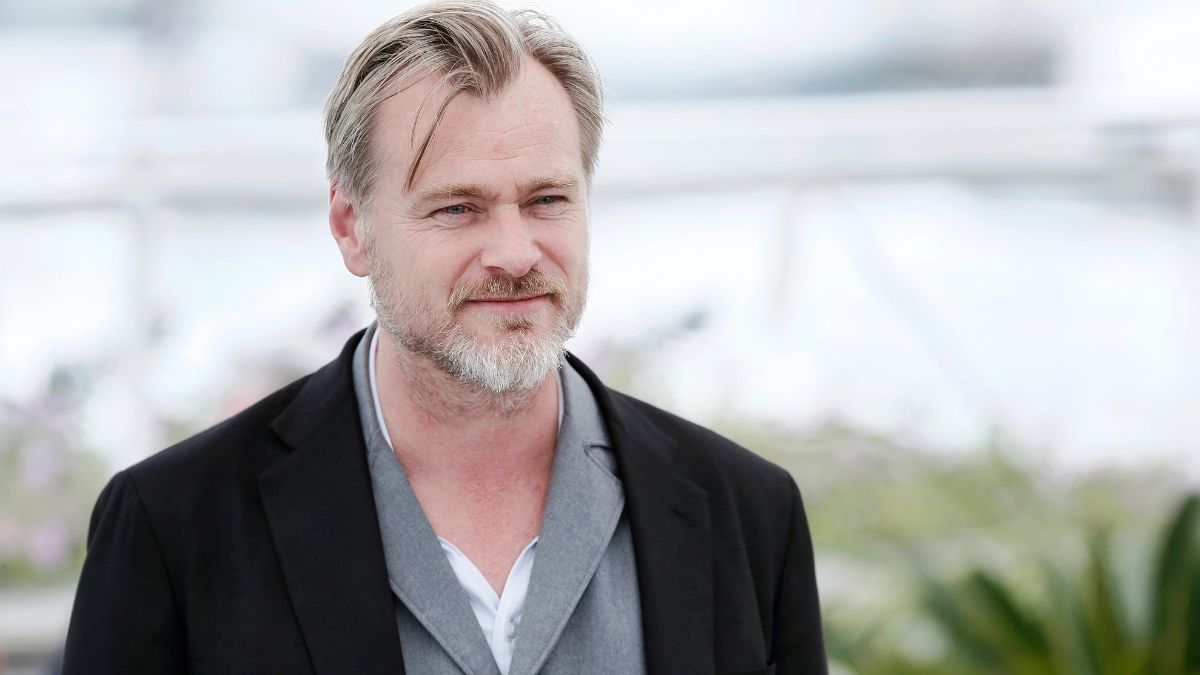
Christopher Nolan recently shared his perspective on the evolving landscape of the filmmaking industry as major labor discussions approach. He highlighted the growing influence of artificial intelligence and its potential to disrupt traditional creative processes. The acclaimed director expressed a deep concern for how these technologies might affect the livelihoods of union members. He suggested that the current trajectory of automation reminds him of previous shifts that harmed technical workers. Nolan believes that the preservation of human ingenuity must remain at the forefront of any new contractual agreements.
The director pointed to the visual effects sector as a cautionary tale for the rest of the film world. He noted that many workers in that field have faced significant challenges due to a lack of strong protections and standardized practices. By looking at the struggles faced by digital artists, Nolan hopes to prevent similar issues from taking root in directing and production. He emphasized that the industry cannot afford to ignore the historical patterns of labor exploitation. This comparison serves as a rallying cry for collective action within the Directors Guild of America.
Beyond technology, the conversation touched upon the vital importance of maintaining robust healthcare benefits for all members. Nolan argued that the rising costs of medical services require a more sustainable funding model from studio partners. He also discussed the necessity of fair residuals in an era dominated by global streaming platforms. These payments provide a crucial safety net for creators who often face long periods between major projects. Ensuring that the guild can support its members through health crises is a top priority for the upcoming negotiation cycle.
In discussing his work on ‘Oppenheimer’, Nolan reflected on the irreplaceable nature of human decision making on a film set. He maintains that while tools can enhance the process, they should never replace the soul of a storyteller. The director believes that audiences connect with the personal vision and emotional weight that only a human director can provide. He urged his peers to remain vigilant against any attempts to diminish the value of their unique creative contributions. This philosophy remains central to his stance on the future of the cinematic craft.
As the Directors Guild of America prepares to enter the room with studios, Nolan stands as a prominent voice for structural reform. He understands that the decisions made today will shape the environment for the next generation of filmmakers. The focus remains on securing a contract that reflects the immense profits generated by digital distribution. Many industry leaders are looking to Nolan for guidance as these complex discussions unfold. His commitment to the welfare of his colleagues highlights the high stakes involved in these talks.
The outcome of these negotiations will likely set a precedent for other creative unions across the globe. Nolan remains optimistic that a fair deal can be reached if the industry acknowledges the essential role of its workforce. He continues to advocate for a system that balances technological progress with the protection of human rights and dignity. This transition period marks a defining moment for the history of Hollywood and its labor relations.
Please share your thoughts on the balance between technological advancement and the protection of creative labor in the comments.