Dev Patel Directs ‘Monkey Man’ to Shatter Hollywood’s Sidekick Stereotype

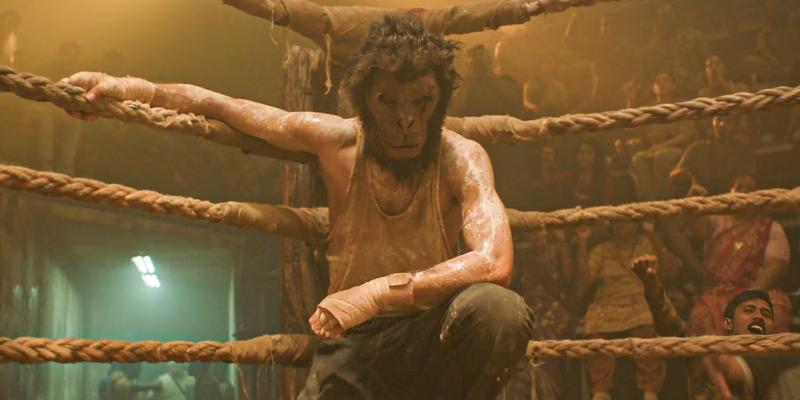
Dev Patel confronted persistent typecasting in Hollywood by taking control of his own narrative in a feature he wrote, directed, and starred in. The actor, known for breakthrough roles in ‘Slumdog Millionaire’ and ‘Lion’, spent over a decade developing ‘Monkey Man’ after repeated offers confined him to supporting parts as the comic relief or technical expert. Producers consistently pitched him as the “goofy sidekick” or “the guy that hacks the mainframe,” roles that lacked the depth or physicality he sought to explore. This frustration fueled a project blending revenge thriller with cultural critique, drawing from Hindu mythology and his grandfather’s tales of the monkey god Hanuman.
Patel began conceptualizing the story around 2014, inspired by underground fight clubs he observed while filming in Indonesia. The script evolved through multiple drafts, co-written with John Collee and his partner Tilda Cobham-Hervey, incorporating elements from Korean revenge films like ‘Oldboy’ and martial arts classics such as ‘The Raid’. Initial financing proved elusive, as studios hesitated to back an unproven director in the action genre. Netflix acquired the rights in 2021 for a streaming release, but creative clashes over toning down political themes—addressing corruption and religious exploitation in India—led to its return to Patel. Jordan Peele then acquired distribution through Monkeypaw Productions, securing a theatrical rollout in April 2024.
The production tested Patel’s resolve from the outset. Filming in Indonesia’s jungles, the crew faced equipment theft, forcing portions of the first half to be shot on iPhones with improvised rigs. Patel sustained injuries, including a torn rotator cuff and broken hand, during intense fight sequences choreographed by brass knuckle strikes and improvised weapons. He trained for four months in Silat, an Indonesian martial art, to embody Kid, the masked fighter seeking vengeance for his mother’s death at the hands of a corrupt official. The budget, under $30 million, relied on practical effects and local talent, with over 70 percent of the cast comprising Southeast Asian actors to authentically depict Mumbai’s underbelly.
‘Monkey Man’ centers on Kid’s infiltration of a elite brothel atop a skyscraper, where each floor escalates in privilege and peril. The narrative weaves Hanuman’s legend—symbolizing strength against demonic forces—into scenes of ritualistic violence and systemic abuse. Patel’s directorial choices emphasize raw, carnal action over polished CGI, with long takes capturing the chaos of underground bouts. Co-stars Sharlto Copley and Pitobash provide layered antagonists, while Sobhita Dhulipala portrays a pivotal ally in the resistance. The film grossed $34 million worldwide on opening, exceeding expectations for an indie action debut.
Patel’s move behind the camera marks a broader shift for South Asian actors in Hollywood, where opportunities remain skewed toward stereotypes. Following his 2017 Oscar nomination for ‘Lion’, he rejected accent-heavy ethnic roles, opting instead for colorblind casting in ‘The Green Knight’ as Sir Gawain. ‘Monkey Man’ extends this by centering an Indian protagonist in a genre dominated by Western leads, challenging the “one Indian per film” trope. Industry observers note its influence on upcoming projects, including Patel’s next directorial effort, a hamster animation co-scripted during ‘Lion’ downtime. Through sheer persistence, he transformed personal limitation into a visceral statement on power and resilience.
The film’s release sparked discourse on representation, with Patel attributing its grit to his dual British-Indian identity. “I’ve found myself not really being represented on screen for what I am, which is the product of two different worlds,” he stated in a BBC interview. Early screenings at SXSW 2024 drew standing ovations for its unapologetic fury, positioning ‘Monkey Man’ as a benchmark for actor-directors navigating bias. Patel’s journey underscores a quiet revolution: by any means necessary, creators of color are forging paths where none existed.
DON’T MISS: