John Cusack Agreed To Cult Film Role Under One Specific Condition

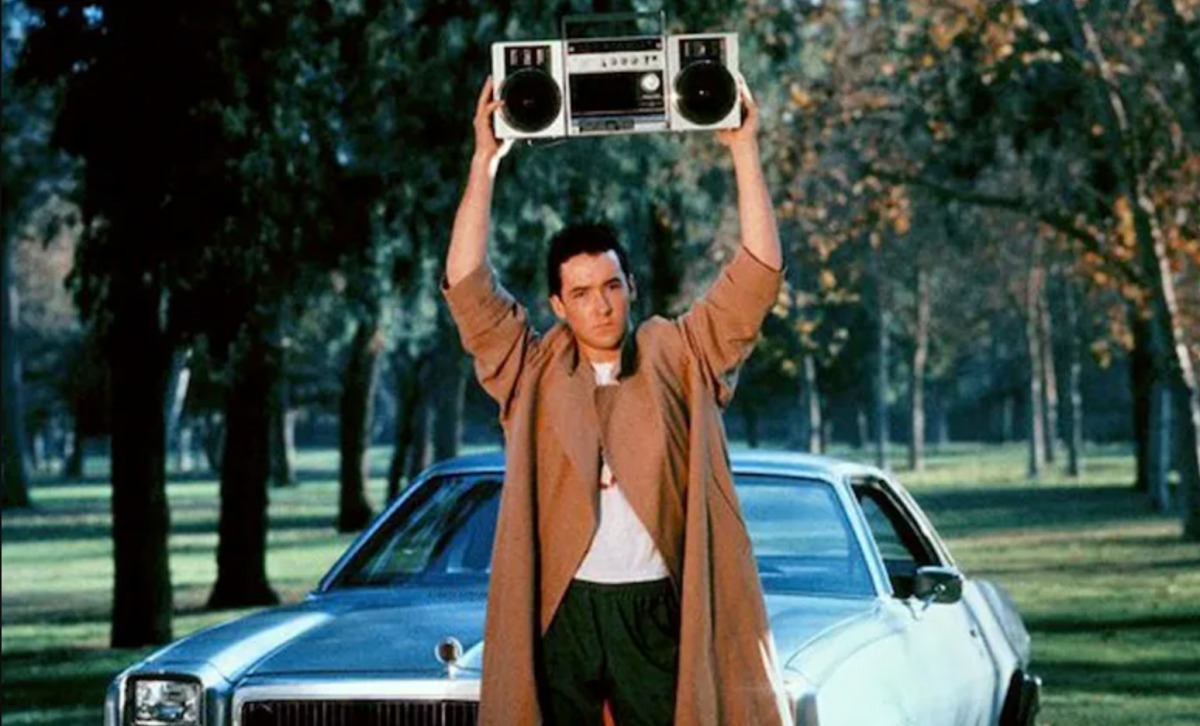
The image of a young man holding a boombox high above his head is one of the most enduring symbols of eighties cinema. This iconic moment from ‘Say Anything’ cemented John Cusack as a generation’s romantic lead and defined the genre for years to come. While the film is now considered a masterpiece of teen romance, the actor behind the famous trench coat was originally hesitant to join the project. He recently revealed that he actually had a major reservation regarding the script before he signed on to play Lloyd Dobler.
Cusack explained in a recent interview that he felt the original dialogue did not sound like it came from a high school student. He believed the lines sounded more like the voice of a middle-aged professional writer trying to speak for youth rather than an authentic teenage experience. The actor was concerned that the character lacked the necessary depth and realism to resonate with a younger audience. He did not want to play a generic or clichéd romantic lead who just said the right things without any internal conflict or genuine perspective.
He presented a strict ultimatum to director Cameron Crowe before agreeing to the film. Cusack told the filmmaker that he would only accept the role if he was allowed to rewrite the part alongside him. He wanted the freedom to alter the dialogue and the character’s motivations to make them feel more grounded and real. The actor expected resistance to this bold demand, but Crowe reportedly agreed to the collaboration immediately. This partnership allowed them to deconstruct the character of Lloyd Dobler and rebuild him into something far more complex.
One of the specific changes Cusack pushed for involved the character’s famous optimism. He felt the original script made Lloyd too happy without enough reasoning behind it. Cusack wanted to show that Lloyd’s positive outlook was an active choice he made despite understanding the darker aspects of life. He compared this dynamic to the songwriting partnership of the Beatles, noting how Paul McCartney provided the optimism while John Lennon provided the skepticism. He wanted Lloyd to embody that entire range of emotion within a single person.
This creative freedom extended beyond just the script changes. The actor and director bonded over their shared love of music during the production. Cusack was even allowed to select the songs for certain scenes to ensure the mood matched his performance perfectly. This level of input is rare for a young actor, but it ultimately resulted in a performance that felt deeply personal and authentic. The movie remains a beloved classic largely because the lead actor fought to make his character real.
Let us know if you think Cusack’s changes helped save the movie in the comments.
DON’T MISS: