
Netflix’s ‘The Widower ‘Til Death Do Us Part’ Release Date and Trailer Details


Netflix is set to introduce another gripping true crime documentary, focusing on a seemingly harmless man. The film, directed by Chris Smith and produced by Library Films and NBC News Studios, premieres on September 30. If you’re looking for the ‘The Widower: ‘Til Death Do Us Part’ release date, trailer, and story details, you’ve come to the right place.
This documentary follows a journalist and a detective as they unveil the truth behind a killer whose charm concealed a history of failed marriages and suspicious deaths. The recently released footage indicates that the narrative is as disturbing as it sounds, sure to captivate true crime enthusiasts.
Mark your calendars for September 30, as that’s when the documentary will be available on Netflix. Streaming trackers confirm this date, ensuring subscribers know exactly when to tune in. You’ll be able to watch the title on Netflix starting that day.
If you’re planning a viewing night, you won’t need to set aside the entire evening. The runtime is 1 hour and 31 minutes, making it a concise watch compared to the lengthy multi-part series often found in the true crime genre.
The film boasts impressive credentials, with Chris Smith at the helm and support from Library Films and NBC News Studios. This combination suggests a documentary grounded in thorough reporting and factual records rather than mere sensationalism.
Netflix has released the official trailer, which immediately establishes a chilling atmosphere. It begins with a harrowing 911 call where a distressed man reports that his wife has been shot in the head. The footage transitions to those trying to unravel the mystery behind the incident.
An experienced journalist describes the case of Thomas Randolph as one of the most bizarre he has encountered, noting the discrepancies between the evidence and the husband’s claims. The trailer reveals a shocking twist: investigators discovered that Thomas had six wives, four of whom were deceased.
Perhaps the most unsettling aspect is how Randolph portrays himself as a victim rather than a murderer, while the journalist and investigators see him as a manipulative figure who evaded justice after facing the death penalty. This clash of perspectives appears to be a central theme of the documentary.
At its heart, this film is a slow-burn investigation into how one man’s disturbing pattern went unnoticed for years. Spanning nearly three decades, it revisits the life of a man who married multiple times, alongside the deaths that surrounded those relationships. The documentary treats this timeline as a complex puzzle that took decades to piece together.
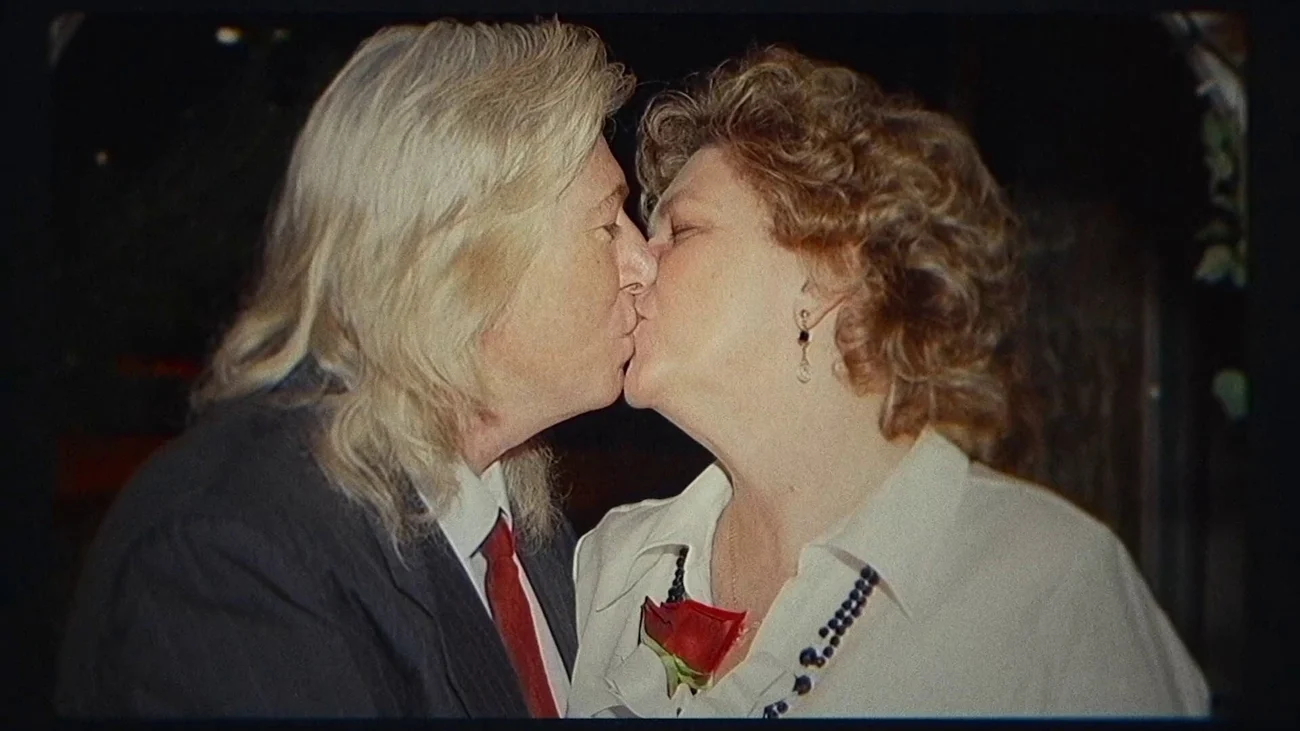
The filmmakers rely on solid evidence to construct their narrative. Testimonies, court records, and investigative journalism come together to present the facts beyond the polished image created by the main suspect. This approach is likely to resonate with viewers who appreciate methodical, fact-based storytelling.
Another intriguing theme is the gradual accumulation of suspicion. The film explores how doubts built up over time across these relationships and the lengthy process of connecting cases that were initially treated as separate incidents. In essence, the horror lies not only in the crimes themselves but also in the missed connections.
The documentary is based on real events that captured media attention for years. On May 8, 2008, Randolph called 911 from his Las Vegas home, claiming that an intruder had shot his sixth wife, Sharon Causse, and that he had killed the intruder in self-defense.
However, investigators reached a different conclusion. Detectives alleged that Randolph had conspired with Michael Miller to murder Causse, leading to charges of two counts of murder for both Causse and Miller. The motive was a $360,000 life insurance payout on Causse.
The legal journey was complex. Randolph was sentenced to death in 2017, but the Nevada Supreme Court later overturned the conviction, resulting in a new trial. After 15 years, a Nevada jury found him guilty once again for orchestrating his sixth wife’s murder and shooting the supposed hitman.
He was ultimately sentenced to 60 years to life in prison, with prosecutors opting not to pursue the death penalty at the retrial due to his age.
The earlier deaths in Randolph’s life are also significant to the story. His fourth wife, Francis, died during heart surgery in 2004, while his fifth wife, Leona Stapleton, succumbed to cancer. His second wife, Becky, died in Utah in 1986, and he was acquitted of her murder in 1989 after pleading guilty to felony witness tampering.
With a case filled with such twists and turns, the key question remains: how will audiences respond to a killer who maintains his innocence? Does the film’s portrayal of Thomas Randolph suggest that his charm was the most dangerous aspect of his character?