Paramount and Disney Issue Cease-and-Desist Letters to ByteDance Over Seedance AI Infringement

Major entertainment companies are cracking down on unauthorized use of their intellectual property in artificial intelligence tools. Paramount Skydance and Disney recently sent strong legal warnings to ByteDance, the company behind TikTok, accusing its Seedance video generation platform and Seedream image tool of widespread copyright violations. These AI systems have been producing content that closely mimics iconic characters and stories from popular franchises without permission. The moves highlight growing concerns in Hollywood about how generative AI models handle protected material.
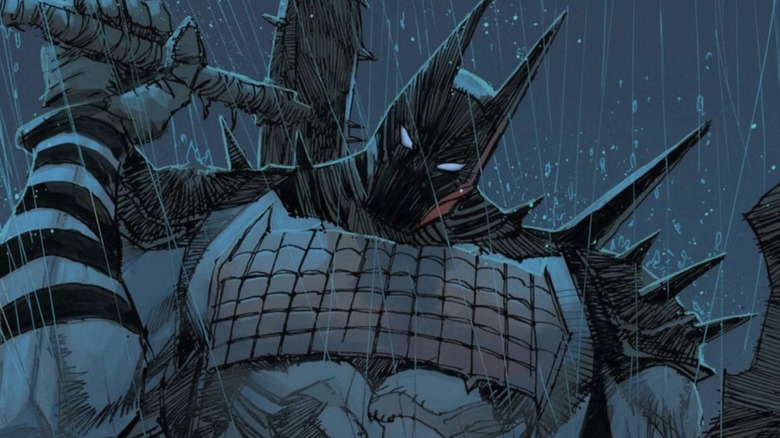
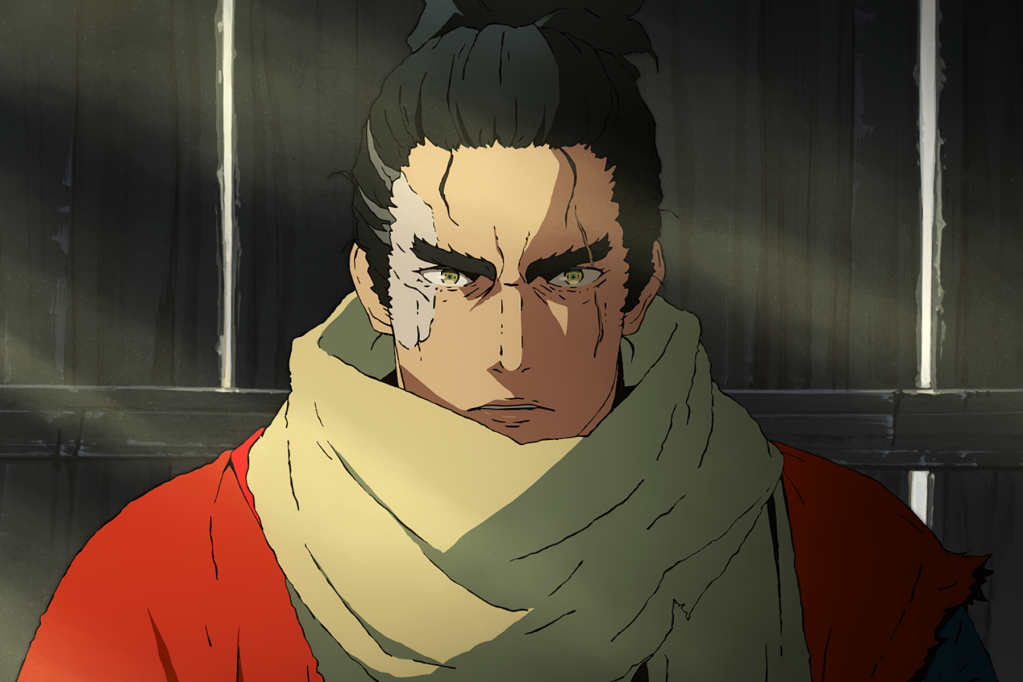
Paramount Skydance pointed to specific examples where Seedance outputs featured vivid recreations of their beloved properties. Shows and films like ‘South Park’, ‘SpongeBob SquarePants’, ‘Star Trek’, ‘Teenage Mutant Ninja Turtles’, ‘The Godfather’, ‘Dora the Explorer’, and ‘Avatar: The Last Airbender’ appeared in user-generated videos and images. Gabriel Miller, head of intellectual property at Paramount Skydance, addressed the letter directly to ByteDance CEO Liang Rubo. He described the infringements as blatant and demanded immediate action to stop future violations and remove existing content.
Disney took similar steps just a day earlier, focusing on its own vast library of characters. Their cease-and-desist letter claimed Seedance was offering a pirated collection of figures from ‘Star Wars’, Marvel, and other key franchises, treating them like free public resources. David Singer, a partner at Jenner & Block representing Disney, called the actions a willful and pervasive virtual theft of intellectual property. This language underscores the frustration felt by studios investing heavily in original content.
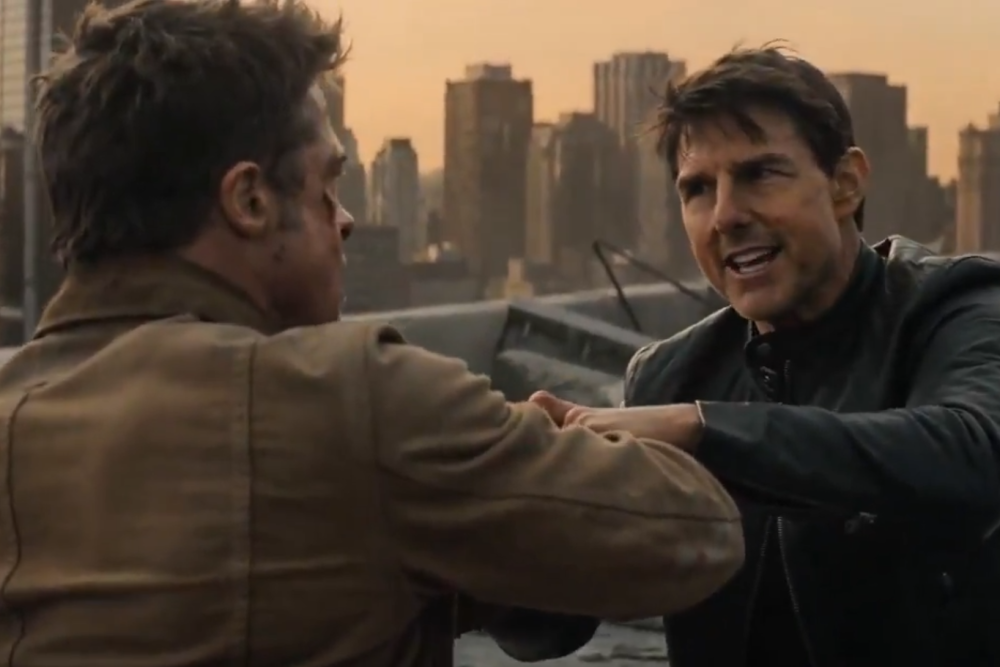
The controversy gained traction after viral videos from Seedance 2.0 spread rapidly online. One notable clip showed actors like Tom Cruise and Brad Pitt in an intense rooftop fight scene, sparking both amusement and alarm. Industry groups quickly responded, with the Motion Picture Association condemning ByteDance and urging an end to the infringing practices. Actors union SAG-AFTRA along with the Human Artistry Campaign, which advocates for creators’ rights, also voiced strong opposition to the AI model’s capabilities.
Both letters emphasize that the generated content is often indistinguishable from official material, both visually and in sound. This raises serious questions about copyright, trademark, and unfair competition laws. Paramount Skydance specifically noted that the release of Seedance 2.0 has only amplified the problem, making unlawful outputs more common and widely shared. They insisted ByteDance implement measures to block their content from being used or created in the platforms moving forward.
ByteDance has not yet publicly responded to these allegations as of the latest updates. The situation reflects broader tensions between tech innovators pushing AI boundaries and content creators protecting their work. As generative tools become more sophisticated, disputes like this are likely to increase, forcing clearer guidelines on training data and output restrictions. Hollywood’s proactive stance here could set precedents for handling similar cases in the future.
These developments serve as a reminder of the delicate balance between technological advancement and intellectual property rights. Studios are clearly drawing a line to safeguard their creative investments amid the AI boom. The outcome of these cease-and-desist demands will be worth watching closely.
What are your thoughts on how AI companies should handle copyrighted material in training models—share them in the comments.
DON’T MISS: