
The Real Reason ‘To Catch a Predator’ Was Canceled After a Fatal Texas Sting


‘To Catch a Predator’ was once a staple of television, featuring Chris Hansen welcoming adults into staged sting houses. The show consistently outperformed NBC’s other primetime offerings, turning Hansen into a cultural icon. However, the series eventually vanished from the network, leaving viewers curious about the reasons behind its cancellation.
So, what led to the cancellation of ‘To Catch a Predator’? The answer is complex and has resurfaced in discussions, especially with Robert Pattinson portraying Hansen in the A24 film ‘Primetime’. This movie has sparked renewed interest in the story behind the show’s abrupt end.
The program aired on NBC from 2004 to 2007 as part of ‘Dateline’, featuring hidden cameras capturing adult men arriving at sting houses to meet individuals they believed were minors, who were actually adults posing as teenagers. The show was a ratings success but also a source of controversy.
In 2008, the series was canceled following a significant controversy that resulted in the death of a prominent subject. Although the cancellation has never been officially linked to that incident, many viewers and commentators have drawn connections between the two events.
Critics had expressed concerns long before the cancellation, arguing that the series prioritized sensationalism over genuine justice.
The turning point came in November 2006 during a sting operation in Murphy, Texas, which attracted over two dozen men. Among them was Bill Conradt, an assistant district attorney who had exchanged explicit messages with individuals posing as thirteen-year-old boys.
When police arrived at his home with a warrant, Dateline cameras were present, and Conradt died by suicide before he could be arrested. Hansen later recounted to a reporter at Columbia Journalism Review that he did not hear the gunshot but witnessed Conradt’s body being removed, describing the incident as a tragic event.
The circumstances surrounding the sting remain contentious. A Murphy police sergeant stated that the timing was not influenced by Dateline’s schedule, emphasizing that the goal was to prevent Conradt from contacting another minor. In contrast, Conradt’s sister publicly blamed the Dateline operation in a statement to the city council.
The aftermath led to legal action, with Conradt’s sister suing NBC. In 2008, a federal judge allowed the main claims to proceed before the network settled for an undisclosed amount, with estimates of the lawsuit exceeding one hundred million dollars.
Hansen has consistently framed the show’s end differently than its critics. He maintains that the series simply concluded after three successful years and even initiated a Kickstarter campaign to revive it.
He has also distanced himself from the events in Texas, stating in an interview with The Hollywood Reporter that he has no regrets and placed responsibility for the decision to approach Conradt’s home on law enforcement.
Many analysts believe that no single factor led to the show’s downfall. Instead, the series is often remembered as having ended due to a combination of issues, and the aftermath of the Texas sting altered perceptions of the hidden camera format and the collaboration between Dateline, law enforcement, decoys, and Perverted Justice.
Despite the cancellation, the format continued to thrive. ‘Hansen vs. Predator’ became a recurring segment on ‘Crime Watch Daily’, and a spiritual successor, ‘Takedown with Chris Hansen’, debuted in 2022 on the TruBlu streaming network, indicating that the concept still resonates with audiences.
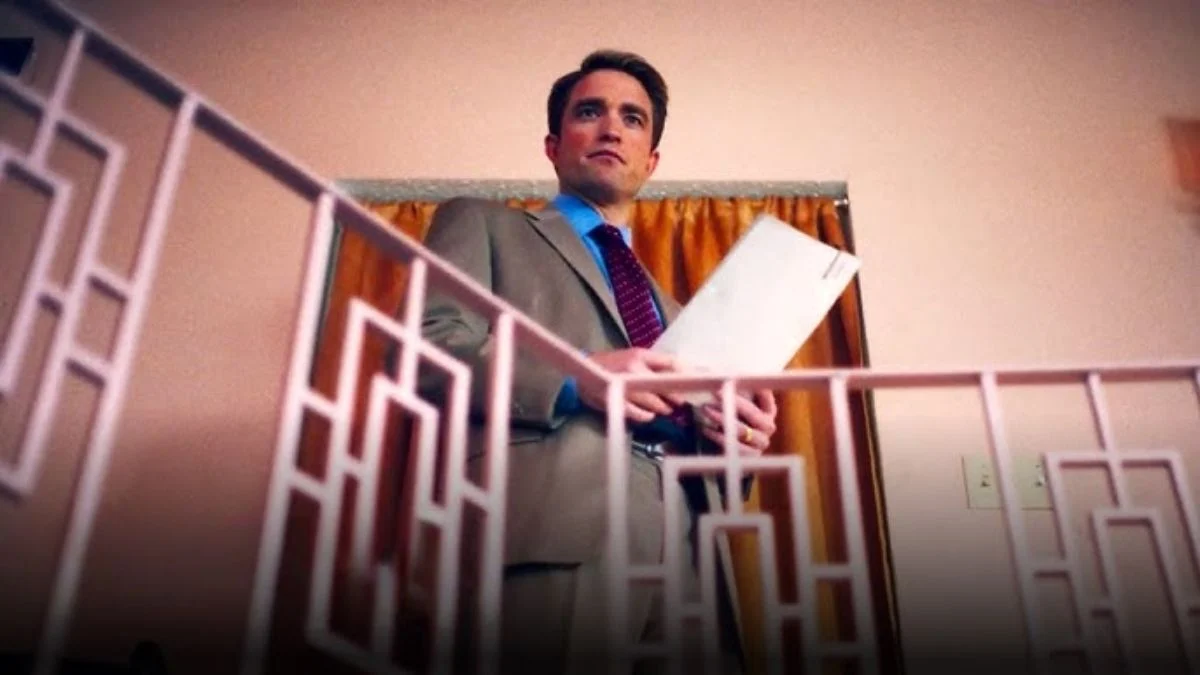
Now, ‘Primetime‘ is bringing this troubling chapter back into focus. The Murphy, Texas sting and Conradt’s death serve as a pivotal moment in the A24 film’s dramatized narrative about Hansen’s investigative journey. This means that a story many fans may have only partially recalled is set to be revisited and debated once more.
If a ratings powerhouse could be dismantled by a single tragic sting, did NBC make the right choice in canceling ‘To Catch a Predator’, or did the network shy away from confronting deeper questions about the show’s methods?