
Why the Poem in the ‘Ted Lasso’ Finale Hits Hard


Few television farewells have left a more profound impact than the poem in the ‘Ted Lasso’ finale, a closing montage driven entirely by a voice from beyond the grave. As the episode unfolds, Mae’s voice recites Mary Oliver’s “When Death Comes.” This choice is quiet, strange, and beautiful, prompting fans to reflect on the significance of those words.
The poem follows an episode steeped in grief, reshaping the narrative that preceded it. If you found yourself pondering why those lines resonated so deeply with AFC Richmond, you are certainly not alone. Here’s a closer look at the poem, its poet, and the story it subtly concludes.
The voiceover is delivered by Mae, portrayed by Annette Badland. A review from The Review Geek describes the poem’s delivery as a powerful performance and a heartfelt conclusion to the series. This emotional weight largely stems from hearing a character the audience recently bid farewell to speak directly to them one last time.
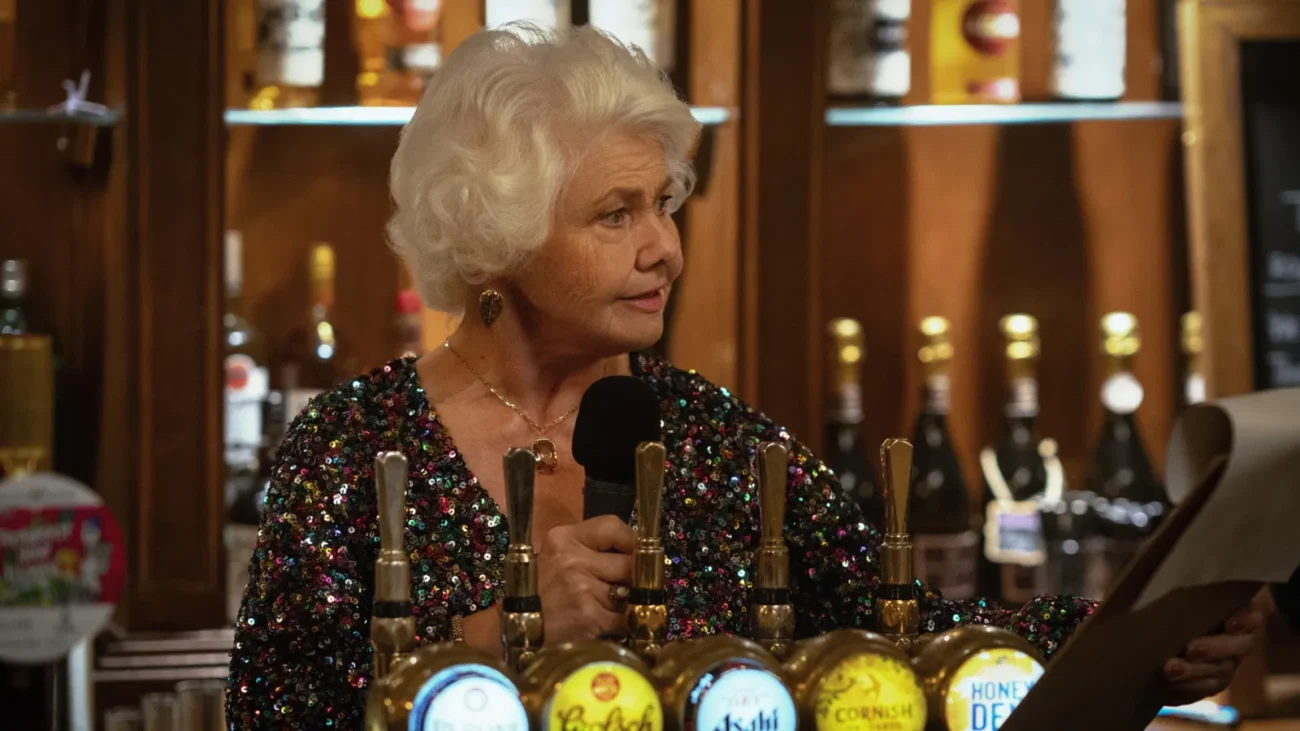
Mary Oliver, who lived from 1935 to 2019, was an American poet celebrated for her ability to express wonder at the natural world. This makes her work an unexpectedly gentle fit for a pub landlady who spent years imparting wisdom to a football coach.
The episode concludes with a poignant shot of the plaques outside the coaches’ office, listing Alice as manager and Ted and Beard as assistant managers. Pairing a poem about endings with an image of new beginnings perfectly encapsulates the bittersweet balance the show has always embraced.
The poem speaks to confronting mortality with curiosity and ensuring that one has truly lived. This theme aligns seamlessly with a cast that has grappled with change throughout the series.
One recap highlights that the characters wrestle with uncertainty for much of the season, while the finale emphasizes the importance of engaging in life rather than waiting for everything to feel secure. This theme is particularly evident in Keeley and Roy, who are facing parenthood, and Roy accepting a job offer from Chelsea.
Mae’s death casts a shadow over these developments. Keeley reflects on how swiftly everything can change, as Roy evolves, her body transforms, and she experiences both excitement and anxiety. The poem channels that nervous energy into something almost hopeful.
The most intimate storyline in the finale revolves around Ted and his son. In a heartfelt moment, Henry expresses his wish for Mae to help him with his homework again and inquires about how Ted’s father passed away. This small yet poignant exchange sets the stage for the poem’s deeper meanings.
Ted initially sidesteps the truth, sharing the familiar tale of his father falling down the stairs. Longtime viewers will recognize this pattern, as Ted has often masked his pain with a smile, keeping the real story at a distance.
Poetry has played a significant role throughout the series. Earlier, Mae recited a Larkin poem to Ted in her pub, prompting him to confront his mother about the damage caused by her insistence that everything was fine. Viewed through this lens, the finale poem feels like Mae imparting one last lesson to the family she helped heal.
Mae leaves behind more than just a poem. Zelda and Rebecca each held a 49 percent stake in the team, and Mae’s final act from beyond the grave was to bequeath her two percent to Rebecca. The woman who cherished AFC Richmond more than anyone ultimately shaped its future.
Mae also passed the Crown & Anchor to Baz, Jeremy, and Paul, ensuring the pub continues to serve Richmond supporters. This gesture is a tender tribute to a character who made that pub feel like a second home for the entire cast.
As for what lies ahead, the closing sequence reveals an on-screen message indicating there are 112 days left until the next season begins. Another recap suggests there is ample opportunity for another chapter, particularly with Alice leading the women’s team and Ted adapting to his new role. Regardless of Richmond’s future, the poem provides a graceful conclusion to the story, leaving us to ponder which line of Mae’s final farewell will resonate with you the most as you revisit the finale.