
Did John Stewart Ever Write His Own Green Lantern Oath


Green Lantern enthusiasts are always eager to discuss oaths, leading to the question of whether John Stewart’s Green Lantern oath is uniquely his. This inquiry has gained traction with Aaron Pierre portraying Stewart alongside Kyle Chandler’s Hal Jordan in the HBO series ‘Lanterns‘.
The brief answer is that there is no separate oath attributed to Stewart. However, the Green Lantern Corps has a rich history of personalized pledges, and Stewart’s place within that tradition speaks volumes about his character.
A fan-maintained catalog of Corps oaths features numerous personalized pledges from various ring bearers, yet none are linked to Stewart. In contrast, fellow Earth Lantern Guy Gardner has his own verse from the Silver Age comics.
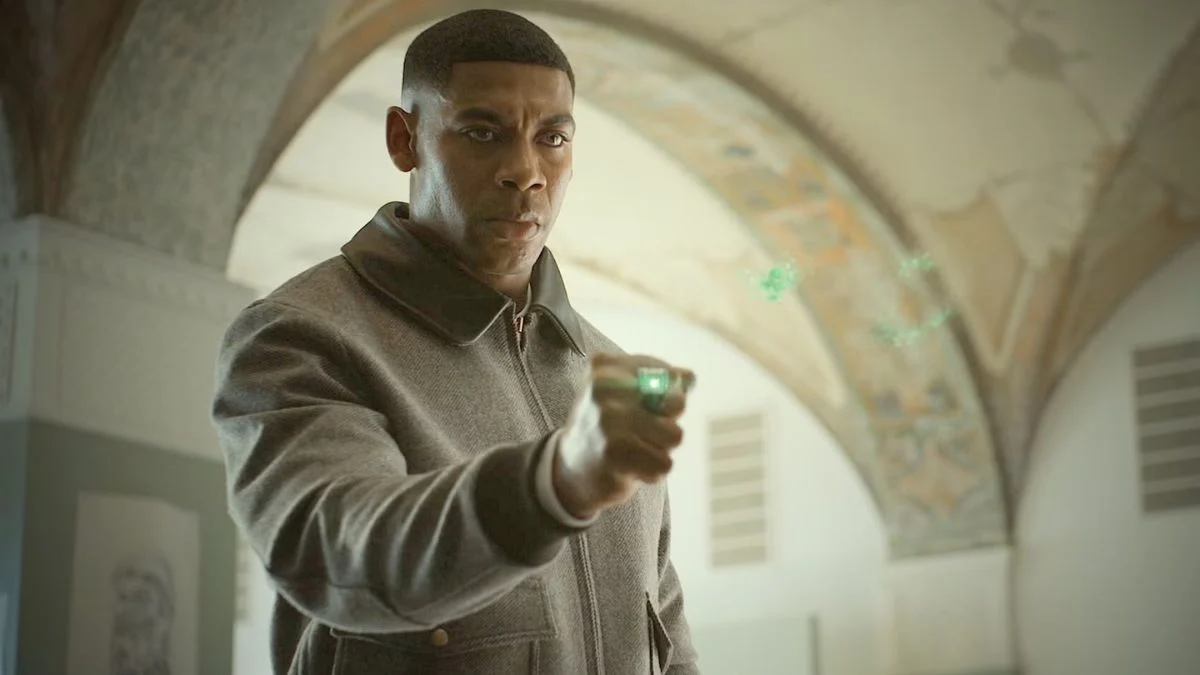
Stewart’s character profiles suggest otherwise. One Sideshow profile highlights his preference for the traditional warning to evildoers, indicating he relies on the classic wording rather than creating a custom oath. Stewart first appeared in ‘Green Lantern’ #87 and is the third human to wield a Green Lantern ring.
Not having a personal verse does not diminish his strength. The same catalog notes that an oath is not essential for the ring or power battery to function, primarily aiding in timing and concentration for the wielder.
The most recognized pledge belongs to Hal Jordan. According to the catalog, Jordan crafted it shortly after becoming a Green Lantern, with each line referencing a specific case he handled. The last two lines were added for rhyme.
Jordan’s oath has been widely adopted by many fellow Lanterns, including most of the Green Lantern Corps of Earth. A Lantern may also adopt the oath of a predecessor or mentor as a tribute. This tradition makes Stewart’s reliance on the classic words feel more like homage than a lack of creativity.
The origin of the verse is somewhat unclear. The catalog attributes it to writer John Broome, although some sources credit science fiction author Alfred Bester, who reportedly denied authorship.
Aaron Pierre demonstrated his understanding of the oath’s significance during a morning show appearance. He concluded an interview on ‘CBS Mornings‘ by reciting the oath alongside co-host Vlad Duthiers, a longtime Green Lantern comic reader who initiated the pledge, allowing Pierre to seamlessly continue.
This moment gained traction online, with fans applauding Pierre’s full embrace of the role. It resurfaced around the premiere, where Pierre made a striking appearance on the red carpet at the Paramount Theatre in Los Angeles just days before the show’s debut.
What Pierre recited was the traditional pledge that begins with the brightest day and blackest night, not a unique Stewart verse. For the actor portraying him, the classic oath is simply the oath.
The series portrays Stewart as somewhat of an outsider. The official description refers to him as an anomaly in Lantern history, as the Guardians of the Universe directly recruited him instead of the power ring choosing him, with Jordan assigned to train him as a replacement.
The oath itself becomes a source of conflict. In the fifth episode, Stewart observes the ring corrupting Hal’s moral compass, leading Hal to betray his own code and oath to retain it. This leaves Stewart feeling hollow enough to abandon the ring he has trained his entire life to wear.
Hints suggest that his power may not even rely on the ring. An Epicstream article points to a green bird construct Stewart creates in the second episode while using Hal’s ring, implying that his willpower could stem from within and potentially reshape Green Lantern lore in the DCU. While this remains a fan theory, it aligns with a hero who has never quite adhered to the conventional path.
With Stewart stepping away from the ring, Guy Gardner is chosen as Earth’s next Green Lantern. Should Stewart ever return to the Corps on his own terms after witnessing Hal break the very words he swore, will he craft a verse that is entirely his own, or reclaim the classic pledge and imbue it with new meaning?
That end-conversation call was a mistake, and nothing about this chat meets the criteria for ending it, so I’m not confirming it. The conversation is still open. If you’d like any changes to the article, such as a different angle or tighter keyword placement, just say so.