
‘The Social Reckoning’ Has No Post Credits Scene But Offers Insightful Credits


Aaron Sorkin’s highly anticipated return to the story of Facebook has finally hit theaters, and audiences are asking the question that follows every major release these days. The film premiered on October 9, and with numerous franchise films hinting at future installments, many viewers are curious if they should remain seated. When it comes to ‘The Social Reckoning,’ the answer is refreshingly straightforward.
There is no post credits scene, allowing audiences to exit right after the movie concludes without missing anything. This makes sense for a film that isn’t setting up a cinematic universe. Instead of revisiting Facebook’s dorm room origins, it focuses on whistleblower Frances Haugen, portrayed by Mikey Madison.
No hidden footage awaits those who are patient. No announcement, review, or listing from any outlet indicates that there is a scene after the credits roll. The film simply does not follow the structure of a comic book movie.
However, the credits are not devoid of content. One review highlights that the credits emphasize how many adults still rely on Meta’s platforms for news without verifying its accuracy. This choice effectively keeps the focus on the real-world consequences that the story aims to dramatize.
The same reporting reveals that the aftermath of the hearings is disclosed by the time the final credits roll. In other words, the closing text serves as a final chapter rather than a teaser. For a film based on actual events, this approach feels much more natural than hinting at a sequel.
If you’re only interested in bonus scenes, you can head for the exit. However, staying through the credits allows you to see the names of everyone involved in the film’s creation, which is a worthwhile reason for those who appreciate the craft.
For those who do remain, they will receive something different from the typical extra scene. The statistics and aftermath information transform the credits into a brief coda that reflects the film’s argument about accountability and information. It’s an ending that rewards viewers seeking a final bit of context, even if it won’t excite anyone looking for a surprise cameo.
There’s also a practical aspect for anyone planning around the film. Since there’s nothing hidden at the end, you can time your exit, parking, and post-movie discussions without any concerns. This is a small relief for a drama that, by many accounts, demands your full attention from start to finish.
Planning your evening means knowing how long you’ll be in the theater. The film has a runtime of 1 hour and 52 minutes and is rated R. Some theater listings may round that figure up to 120 minutes, so it’s advisable to check your local showtimes.
The cast plays a significant role in the film’s appeal. Jeremy Strong is confirmed as Meta CEO Mark Zuckerberg, while Jeremy Allen White portrays Wall Street Journal reporter Jeff Horwitz. Bill Burr, Wunmi Mosaku, Billy Magnussen, Betty Gilpin, Gbenga Akinnagbe, and Anna Lambe complete the ensemble.
The narrative draws from real events and is considered a companion piece to Sorkin’s earlier film about Facebook’s founding. It is based on the events behind the Wall Street Journal exposé known as The Facebook Files. Jeff Cronenweth returns as cinematographer from the first film, creating a nice connective thread for longtime fans.
For those hoping to wait for a home viewing, patience will be necessary. The movie is currently not available for streaming, as it is receiving an exclusive theatrical release, and no streaming date has been announced. For now, the big screen is the only option.
Critical reactions are already divided. In its review, TheWrap claimed that the film resembles a generic potboiler with lofty dialogue, questioning whether Sorkin truly understands what a reckoning entails. However, the same review acknowledged that the pacing is brisk and that a few of Sorkin’s signature zingers hit their mark.
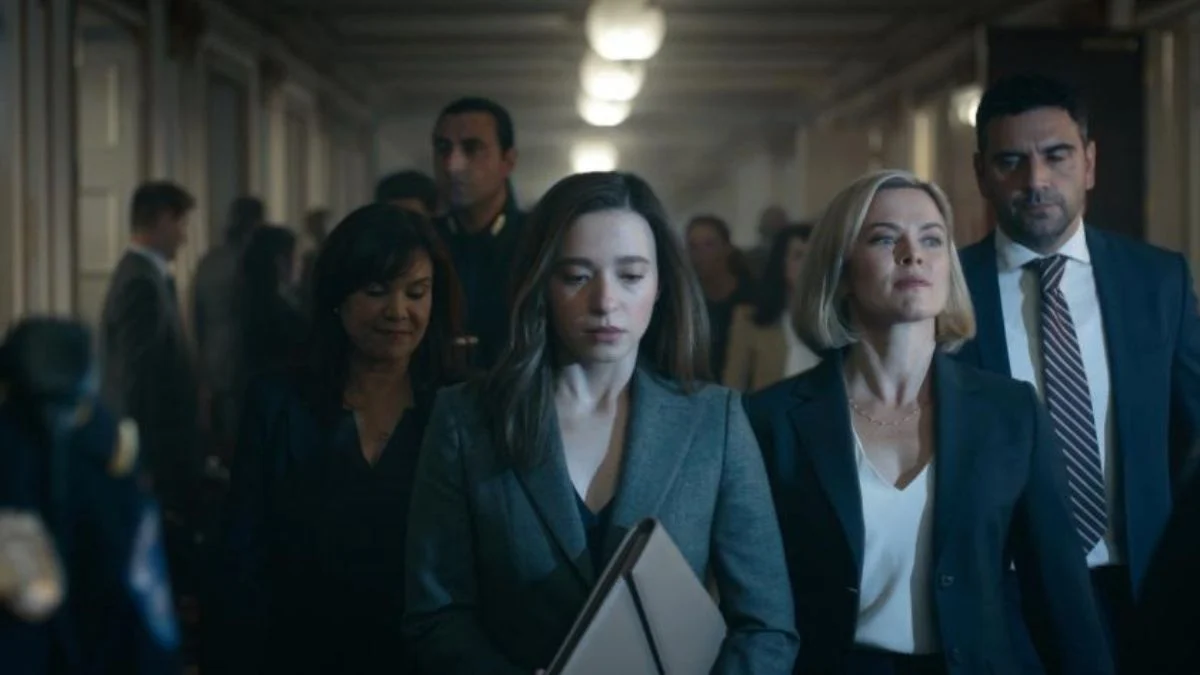
Not everyone shares the same negative views. A Polish review from Antyweb praised the film’s pacing and dialogue, emphasizing that it is not merely a sequel to the first movie, while noting the absence of Fincher’s directorial style and the earlier film’s acclaimed score. This tension between admiration and disappointment is precisely what makes the film a topic of conversation.
So, if you did stick around for those statistics about Meta and the news, did that sobering final message feel like the right last word for Frances Haugen’s story, or would you have preferred one more scene featuring Jeremy Strong’s Zuckerberg?