
Eric Kripke Shares How Antony Starr Shaped Homelander’s Humiliating Finale in ‘The Boys’


In a recent interview with Rolling Stone Brazil, The Boys showrunner Eric Kripke discussed the series finale, highlighting the shift towards hope in the final season and how Antony Starr played a pivotal role in shaping Homelander’s character arc.
Kripke revealed that he had been contemplating the ending for quite some time, with initial concepts emerging during Season 3. The creative team focused on ensuring each character reached an emotionally satisfying conclusion rather than simply building toward a shocking twist. The aim was to wrap up the story in a way that felt true to the characters.
A significant decision in the finale was how Homelander would ultimately lose his power, which dramatically altered the tone of his concluding moments. Kripke explained that they intentionally stripped him of his strength to reveal his true self. What stood out most was Antony Starr’s influence on this portrayal during the final scenes.
Kripke emphasized that Starr fully grasped the direction of Homelander’s conclusion. Rather than resisting the idea of humiliation, Starr embraced it. Kripke had warned him early on to avoid any confusion about the character’s final state, stating, “He exits the series in the most pathetic way possible.” To Kripke’s surprise, Starr agreed wholeheartedly, believing it was the fitting end for the character.
Starr even contributed dialogue ideas, with Kripke noting that one of the more shocking lines in the finale originated from the actor. He stated that Starr wanted to amplify Homelander’s breakdown rather than soften it, which significantly shaped the character’s on-screen humiliation.
Kripke also shared insights into the filming atmosphere during those final scenes. The cast and crew were aware they were concluding a long journey, resulting in mixed emotions of sadness and acceptance. Starr remained fully committed, even during the most uncomfortable moments of his performance. Kripke aimed to depict a complete collapse of ego, showcasing Homelander as no longer feared but rather exposed.
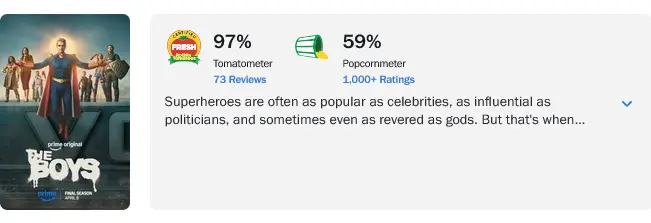
For Starr, this meant portraying a character who was stripped of the dominance he had exhibited throughout the series. Instead of showcasing power, the finale required him to convey fear, desperation, and vulnerability. Kripke noted that this intentional shift was crucial. Homelander’s downfall was designed to be uncomfortable and raw, rather than heroic or clean.
The final outcome reflects this approach. Homelander’s concluding moments are not centered on power or triumph; they focus on collapse and exposure. Kripke affirmed that this portrayal was successful because Starr fully committed to the notion that the character’s final state needed to be degrading rather than glorified.
The Rolling Stone interview underscores how the ending of The Boys was shaped not only by the writers but also by the actor who portrayed its most significant villain. Antony Starr didn’t merely perform Homelander’s final moments; he actively contributed to defining them, including the most controversial elements.
Have something to add? Let us know in the comments!