
Max Cady’s Sinister Motives for Assisting Anna in ‘Cape Fear’ Revealed


Apple TV’s ‘Cape Fear’ has kept audiences captivated since its debut, largely due to the slow-burn tension that Javier Bardem brings to each scene. The series weaves a complex narrative of moral dilemmas and hidden truths, making every seemingly altruistic action from Max Cady feel like a carefully laid trap.
A focal point of discussion in the early episodes is Max’s involvement in the Ruben Ramirez case, a wrongful conviction that Anna Bowden and her team at the Southern Justice Legal Project are striving to overturn.
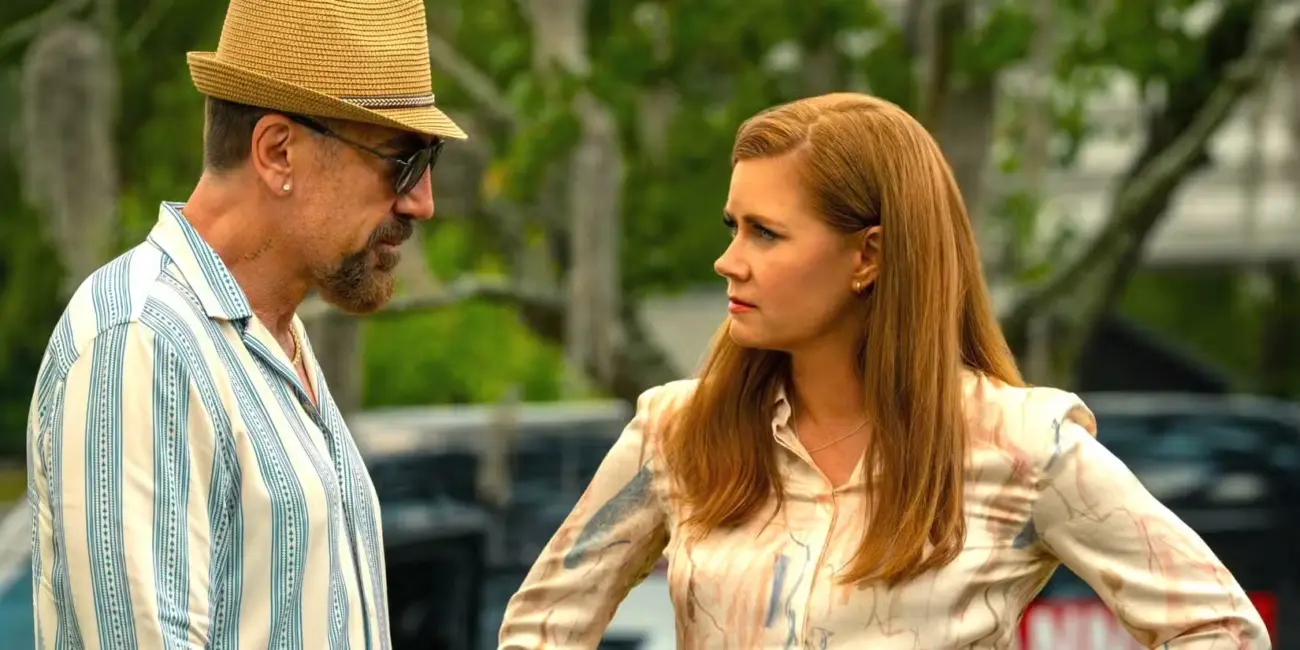
Amy Adams stars as Anna Bowden, an attorney dedicated to freeing the wrongfully imprisoned, while Javier Bardem portrays Max Cady, a convicted felon released after 17 years who begins targeting the married couple who represented him in court. So, what drives this predator to take such a keen interest in another man’s freedom?
The Apple TV rendition of Max Cady presents a distinctly different type of monster compared to his cinematic predecessors. As Bardem noted in an interview with TV Insider, this version of Cady is characterized by his manipulation of information, blurring the lines between truth and deception, and engaging on a more psychological level than earlier portrayals.
Instead of directly threatening the Bowdens, Cady leverages public sympathy, becoming a media sensation while orchestrating a subtle campaign of psychological terror against the family.
His assistance to Anna in the Ruben case aligns seamlessly with this strategy. Each act of apparent kindness is a calculated move aimed at getting closer to the individuals he seeks to destroy.
Even critics who have closely followed the show express confusion over the genuine divide in his motivations, questioning how much of Max’s actions stem from revenge versus a sincere desire to assist others and challenge a flawed system. This ambiguity is what makes him so unsettling to watch.
Max’s engagement in the Ruben case begins early and intensifies throughout several episodes. In the second episode, he visits Ruben in prison to persuade him not to abandon his appeal, and by morning, Anna discovers that Max has successfully encouraged Ruben to continue fighting.
By the fourth episode, Anna, along with Noa and Rawlins, meets with Ruben to bolster his hope, as he faces execution in just 14 days following the denial of his mercy petition. The stakes rise further when Anna suggests pursuing a witness named Warren “Smiley” Pitt, believing he can affirm Ruben’s innocence.
Max ultimately offers to visit Smiley himself, using their shared prison experience as leverage, and he later emerges from that meeting with a taped statement exonerating Ruben. The methods Max employs to obtain that statement remain intentionally vague, revealing how far he is willing to go.
To grasp why Max’s assistance to Anna is so profoundly unsettling, one must consider what Anna did to him. Anna represented Max during his trial for allegedly murdering his pregnant wife, and when the trial began to turn against him, she advised him to plead guilty and accept a sentence, after which she married Tom, the prosecutor who had opposed her client.
Showrunner Nick Antosca confirmed in an interview with Screen Rant that having both Tom and Anna involved in Max’s trial is crucial to the show’s emotional arc, as it signifies that their comfortable lives were literally built on his suffering. Every accolade, every boost in reputation, and every beautiful home they enjoy was made possible because Max endured 17 years behind bars.
Analysis of the series suggests that Anna is essentially the architect of her own downfall, with the tension stemming from her guilt rather than an arbitrary external threat. Cady systematically dismantles the family from the outside in, exploiting the cracks in their relationships. His assistance with Ruben is not born from compassion but rather from a desire to be close to the situation.
What makes Max’s role in the Ruben case so chilling is that it forces Anna into a position where she cannot decline his help without abandoning a man on death row. When Rawlins resists Max’s offer to confront Smiley personally, Max pulls him aside for a private conversation, echoing the controlling, menacing exchanges that defined earlier film adaptations of the character.
Theories surrounding the show suggest that Max is not merely seeking revenge for his imprisonment but is intent on dismantling the Bowdens’ careers and exposing them as frauds. Assisting Anna in winning Ruben’s case gives him an inside look at her organization, her methods, and the secrets she desperately wants to keep hidden.
The show drops a telling line in the second episode when Anna whispers to Tom, questioning whether there’s any chance Max could know what they did, to which Tom reassures her that no one knows but them. The necessity of this reassurance indicates that their actions were severe enough to threaten everything. Max is not helping Anna out of forgiveness.
He is aiding her because witnessing someone drown in slow motion requires getting close to the water first. If you have a theory about Max’s ultimate goal in the Ruben case, the ‘Cape Fear’ comment section is the perfect place for that discussion.