
The Real Reason Odysseus Kills Penelope’s Suitors in ‘The Odyssey’


Few conclusions in classic literature ignite as much discussion as the violent ending of Homer’s ‘Odyssey’. After two decades away, Odysseus doesn’t just reclaim his wife and throne; he eliminates every suitor who dared to pursue Penelope during his absence. This choice continues to provoke debate among readers, as the motivations behind it are far more intricate than mere revenge.
To understand why Odysseus slaughters the suitors, one must delve into ancient Greek values, divine expectations, and a deeply personal sense of betrayal. This moment intertwines justice, honor, and brutality in a manner that still shocks modern audiences.
The heart of the conflict lies in the suitors’ treatment of Odysseus’s home while he was away. They exploited Odysseus’s family and property, pressuring Penelope to marry one of them while depleting his estate of food and wealth. Despite Penelope’s clear disinterest, the suitors persisted.
Their actions are portrayed as crude, as they consume everything Odysseus’s lands produce, all while Penelope repeatedly states her unwillingness to remarry. This refusal to accept her decision becomes a key reason Odysseus views them as adversaries rather than mere competitors.
By the time Odysseus reveals himself, the suitors have long overstayed their welcome in his palace. In Homer’s world, such prolonged intrusion is not a trivial social error; it constitutes a serious violation of the household.
The threat posed by the suitors extends beyond mere wastefulness. They conspire to kill Telemachus, Odysseus’s son, to facilitate one of their marriages to Penelope without opposition. This plot elevates their actions from greedy guests to genuine conspirators against the royal lineage.
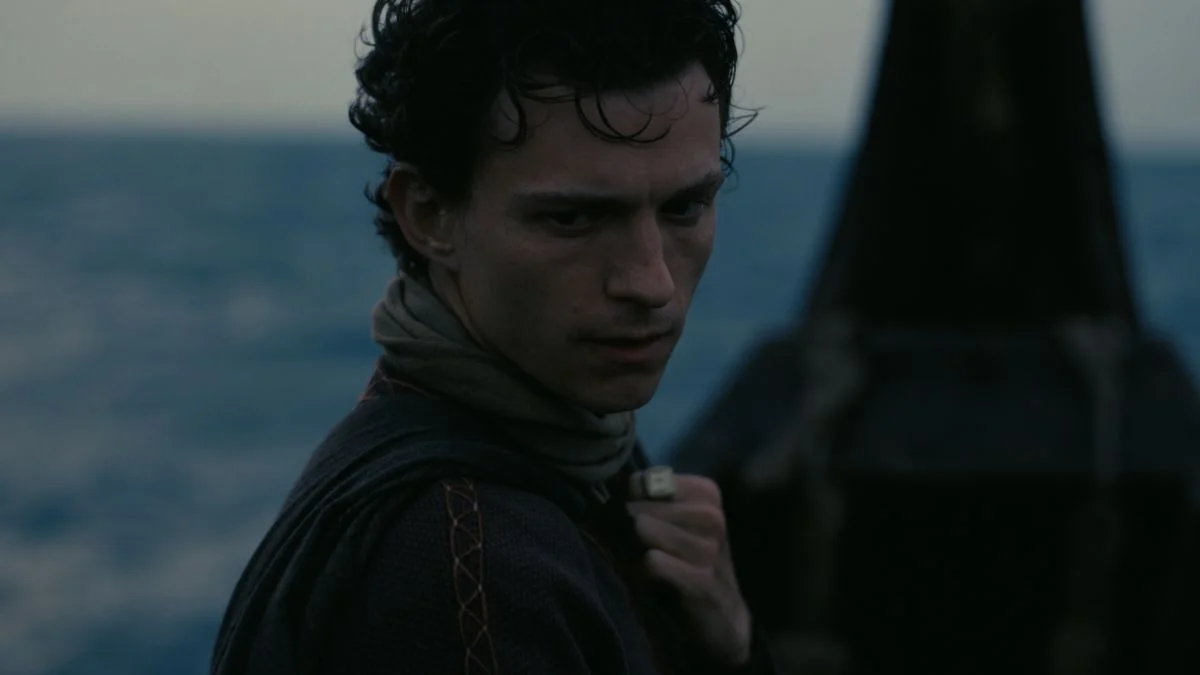
The suitors organize to ambush Telemachus, demonstrating their willingness to go to extreme lengths to seize control of Ithaca. When Odysseus learns of the situation at home, he does not act impulsively.
Instead of rushing in as he might have earlier, Odysseus carefully considers his strategy, ultimately collaborating with Telemachus and loyal servants to reclaim the household. This thoughtful planning indicates premeditation rather than a crime of passion, adding another layer to how readers interpret his actions.
Ancient Greek culture placed immense importance on the sacred bond between host and guest, known as xenia, which the suitors violated in a shocking manner. Their intrusion and consumption of Odysseus’s wealth were viewed as a grave sin against Zeus, the protector of this sacred relationship. In this context, the killing of the suitors transforms from personal vengeance into an act of restoring cosmic order.
Ancient audiences generally perceived the killings as a justified restoration, as it removed those who had tainted the household, restored balance to Penelope’s home, and vindicated divine justice. This perspective shifts the deaths of the suitors from a personal vendetta to something resembling sanctioned punishment.
However, not all ancient responses were entirely comfortable with the scale of the violence. The extent of the slaughter, particularly the killing of the maids, was viewed by some as excessive, with certain ancient critiques expressing discomfort regarding the magnitude and intensity of the violence. This tension between justified punishment and troubling excess is what keeps scholars and casual readers debating the scene today.
The execution of the slaughter reveals a level of strategy that aligns with Odysseus’s reputation as a cunning warrior. Disguised as a beggar, he shoots an arrow into Antinous’s throat, killing him instantly before revealing his true identity to the astonished suitors. In the ensuing chaos, the suitors scramble to justify their actions and offer compensation, but Odysseus rejects any negotiations.
Eurymachos attempts to shift the blame entirely onto Antinous, claiming he never desired marriage but aimed to rule Ithaca after eliminating Telemachus. He even offers to repay Odysseus in exchange for sparing their lives, but Odysseus only gives the suitors the option to fight for their survival. This refusal to negotiate highlights how far beyond compromise Odysseus has already gone.
With assistance from Telemachus and two loyal servants, the conflict escalates rapidly. Telemachus kills Amphinomos, while Odysseus, Eumaeus, and Philotios each dispatch additional suitors, and Athena ultimately intervenes to incite panic among the remaining men, allowing them to be overwhelmed.
Odysseus’s restraint amid evident fury is part of what distinguishes his leadership in this scene. He specifically targets Antinous, the most aggressive suitor, first to create maximum surprise and chaos among the others. This tactical choice reinforces the notion that this was never a chaotic outburst; it was calculated from the very first arrow.
Whether you view Odysseus as a righteous king restoring order or as a man whose punishment far exceeded the crime, the ending of ‘The Odyssey’ continues to spark conversation thousands of years later. What is your perspective on whether Odysseus went too far in dealing with Penelope’s suitors, or was every arrow justified?