
Netflix’s ‘The Trap’ Recap and Ending Explained: Lisa Konrad’s Revenge Plan Backfires


The conclusion of ‘The Trap’ packs an unexpected punch that many viewers may not anticipate. Netflix released all six episodes of this gripping German series on October 13, and the finale quickly became a hot topic for those who binge-watched it.
Starring Friederike Becht as Lisa Konrad, a famous author who has been a recluse for nearly a decade after witnessing her sister Anna’s murder, the series takes a dark turn when Lisa believes she spots the killer on television. Determined to trap him, she uses herself as bait. This series is crafted by the team behind the International Emmy-winning ‘Dear Child’, with Isabel Kleefeld at the helm as writer and director, based on Melanie Raabe’s novel.
Lisa decides to pen a book about her sister’s murder and invites journalist Robert Lenzen to her home for an exclusive interview, knowing that a reclusive author rarely grants such opportunities. Hans Löw portrays Robert, and their face-to-face confrontation is the driving force of the series.
In the fourth episode, Robert finally arrives at Lisa’s isolated home, leading to an intense psychological duel as she attempts to extract the truth from him. Unbeknownst to her, Robert has come prepared, having researched her medical history, used music to unsettle her, and even slipped GHB into her water and bufotenine into her coffee.
His objective was to prove beyond a doubt that Lisa was insane and to capture photos and audio for a sensational scoop. The hunter has become the hunted, and the title now applies to both characters.
After their confrontation, Lisa desperately seeks another explanation until a confession from her publisher Norbert suggests the killer may have been much closer than she ever imagined. This revelation sets the stage for the final episode, where the truth is finally revealed.
The finale resolves the central mystery. Lisa’s suspicions were correct; Robert killed Anna after she threatened to expose their affair. Despite her doubts, her instincts about the face she saw were accurate.
Lisa had arrived at the apartment while he was still present, and he had to flee, but not before she caught a glimpse of his face. Years later, she sees him on live television, where he is revealed to be a well-respected and award-winning reporter. That single sighting is what kept her confined to her home for nearly a decade.
In the final episode, Robert openly confesses to killing Anna. He also indicates that he prefers to die on his own terms rather than spend his life in prison, leaving Lisa without the courtroom justice she had envisioned for years.
The real shocker isn’t just the identity of the killer. Robert reveals to Lisa that he stabbed Anna only six times, implying that Lisa herself delivered the final two stabs. This detail reframes everything the audience believed about her quest for justice.
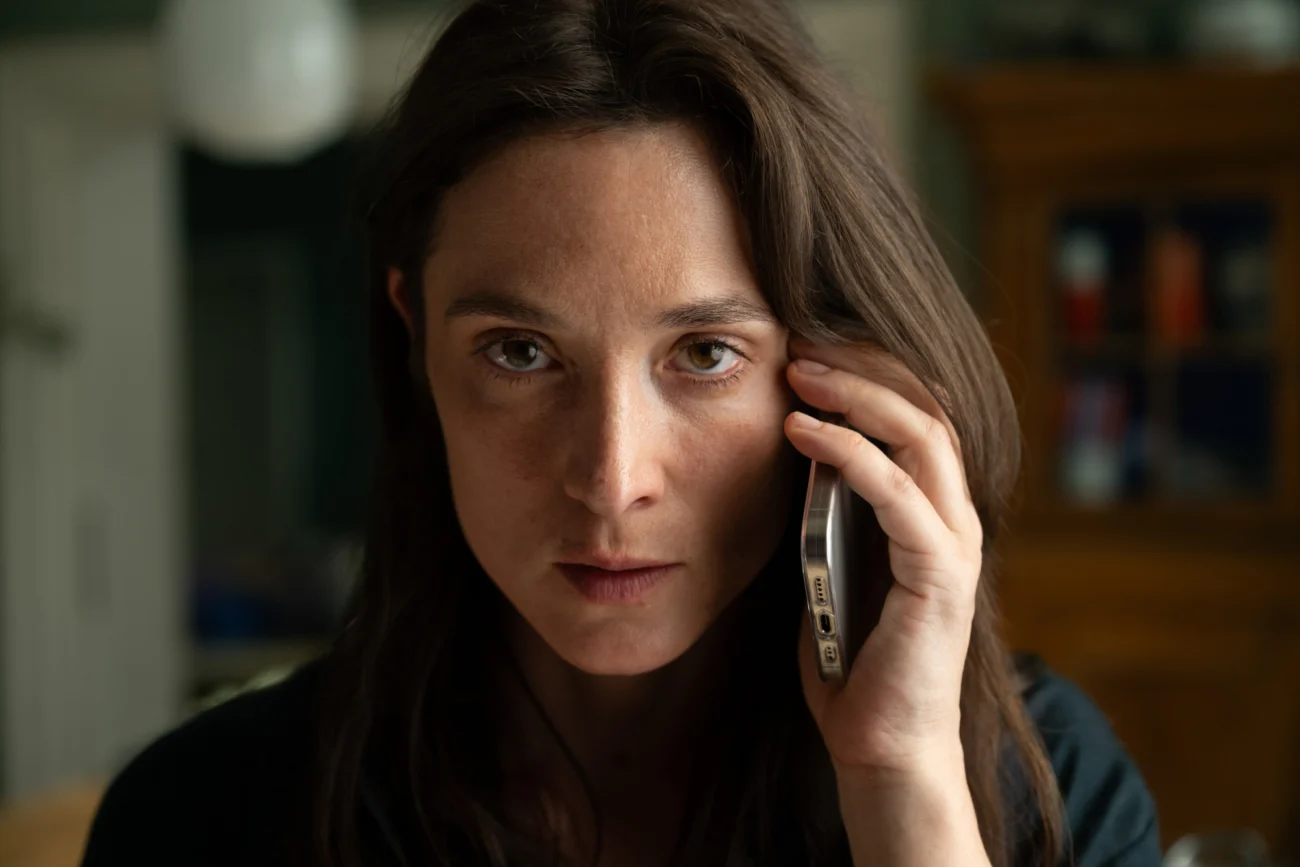
Earlier in the interview, Robert subtly suggested that Lisa might have been the one to kill her sister, leading her to spend hours questioning her own sanity. She later discovers that her parents never truly believed she was guilty of Anna’s murder. The series portrays her torment as both self-inflicted and imposed from the outside.
The sisters had a highly competitive relationship, with Anna often emotionally manipulating Lisa and displaying jealousy when Lisa found success as an author. Her therapist had long suspected that her memories were distorted. The narrative continually revisits the question of what Lisa genuinely remembers versus what she has come to accept as truth.
Critics have had mixed reactions to ‘Die Falle’. One review rated the series three out of five stars, noting that the final revelation did not fully align with the tension built throughout. Conversely, German press coverage praised ‘Die Falle’ as a compelling psychological thriller that is easy to binge-watch.
The most pointed criticism comes from The Review Geek, which described the ending as clichéd and Robert as the most predictable solution, while noting that many surrounding questions remain unanswered. This critique is valid, yet the twist regarding Lisa’s own involvement adds significant depth to the finale. The same coverage acknowledges Friederike Becht for providing the emotional core of the story.
Netflix presents the show as a limited series, and current reports do not indicate plans for a second season. The fates of Robert and Lisa feel designed to conclude the narrative, prompting viewers to reflect on whether they are ready to forgive Lisa once the truth about those final wounds is revealed, or if it transforms her years of isolation into a different kind of prison.