
Odysseus and Calypso Understanding His Seven-Year Stay on Ogygia


Homer’s ‘Odyssey‘ is filled with monsters, storms, and divine interventions, yet one of its most poignant segments features no battles at all. It tells the tale of a hero stranded on a stunning island, raising a question that continues to intrigue fans of Greek mythology.
Why was Odysseus confined to Calypso’s island, and can it truly be considered a prison if the setting is paradise?
Odysseus did not arrive on Ogygia as a triumphant hero. After losing his ship and all his remaining crew, he washed ashore on the island, where the nymph Calypso discovered him and took him in. By the time he reached her shores, he had endured years of war and calamity, left with nothing—no crew, no ship, and no means of returning home.
Calypso, a daughter of the Titan Atlas, resided in a lush forest on Ogygia, surrounded by natural splendor. The island was adorned with trees, vines, birds, and springs, captivating even the messenger god Hermes during his later visit. On the surface, it seems like the last place anyone would wish to escape.
The primary reason Odysseus could not simply sail away lies in Calypso’s affection for him. She effectively kidnapped Odysseus, hoping to win his love, although he never reciprocated her feelings. After finding the weary hero on the beach, she offered him sanctuary, but this sanctuary gradually morphed into a form of captivity.
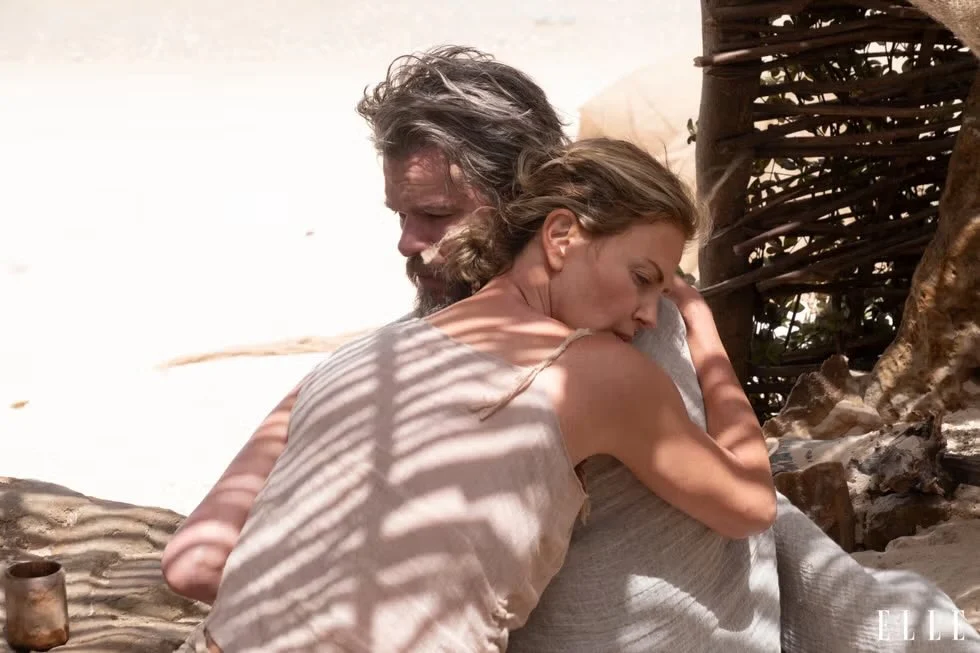
Sources suggest he was ensnared by comfort rather than chains, as Calypso fell deeply in love and offered him immortality along with an end to his suffering if he chose to stay. This twist is arguably the most captivating aspect of the tale. It wasn’t a dungeon or a cave sealed tight; it was seduction, luxury, and an offer most mortals could only dream of.
As Calypso’s feelings intensified, her affection transformed into something akin to obsession, and when Odysseus attempted to leave, she forcibly kept him on the island. This detail significantly influences how fans interpret the myth today, shifting Calypso’s role from a gracious host to someone actively denying Odysseus his freedom.
Despite the allure of Ogygia, ‘The Odyssey’ emphasizes that Odysseus never ceased to mourn his former life. Homer paints a vivid picture of him sitting on the shore, gazing out to sea with tears in his eyes, consumed by homesickness, despite all that Calypso offered him. This image has become one of the most quoted emotional moments in the entire epic.
Calypso offered Odysseus immortality and eternal youth, one of the greatest gifts a mortal could ever receive, yet he declined. He turned it down because accepting would mean abandoning his chance to return home, to his wife Penelope, and to his entire mortal life in Ithaca. For a hero characterized by cleverness and resilience, this refusal speaks volumes about what truly motivated him.
The relationship between Calypso and Odysseus is often interpreted as a reflection on temptation, desire, and longing, weighing love against duty and mortal wishes against divine interference. This seven-year period became a significant part of Odysseus’ larger twenty-year absence from Ithaca, extending an already lengthy journey even further. It’s easy to understand why this section of the poem continues to resonate, as it focuses less on monsters and more on the meaning of choosing home over paradise.
Odysseus could not negotiate or fight his way off the island. Ultimately, it required the intervention of Athena and the other gods to compel Calypso to let him go. Calypso reportedly delivered a passionate rebuke to Zeus regarding the situation, highlighting what she perceived as double standards in the behavior of gods and goddesses.
At the beginning of ‘The Odyssey,’ Athena reminds Zeus that Odysseus remains trapped on Ogygia, which sets the entire rescue plot in motion. He was finally freed only after Zeus dispatched Hermes to the island with a direct divine command. Once that order arrived, Calypso relented, assisted in constructing a raft for Odysseus, and provided him with supplies for his journey back to Ithaca.
Scholars have long viewed Ogygia as a kind of pleasurable prison, one that delays Odysseus’ return home while symbolizing a peculiar, immortal kind of painlessness. This encapsulates the entire episode well. Ogygia didn’t require walls or guards, as Calypso’s love and the promise of eternal life served that purpose just as effectively.
Do you believe Odysseus made the right choice in rejecting immortality with Calypso, or would Ithaca have been worth leaving behind for a life free of pain and death?