
Why Cathy Leaves Everything to Aron in ‘East of Eden’ Is Steinbeck’s Darkest Puzzle


Few moments in Steinbeck’s expansive saga resonate like Cathy leaving everything to Aron in ‘East of Eden’. The day following Aron’s visit, Cathy appears nearly catatonic, sends a note to the sheriff regarding Joe Valery’s fingerprints, and drafts a will that bequeaths all her possessions to Aron. This act is cold, peculiar, and almost tender from a character long portrayed as a monster.
Zoe Kazan’s Netflix adaptation, featuring and executive produced by Florence Pugh, premiered on October 1, prompting viewers to revisit the question of why Cathy chooses to leave her fortune to Aron. The truth is that the narrative offers multiple interpretations, none of which feels entirely satisfying.
Cathy’s will does not appear out of nowhere. Cal brings Aron to meet Cathy after Adam rejects the money Cal earned for him, and this meeting is intended as a wound. It strikes deeper than Cal ever anticipated.
In the Netflix finale, Cathy writes to Sheriff Quinn about Joe, provides Lois with instructions to leave the house, and creates a new will leaving everything to Aron before she consumes a lethal potion. Each action feels like a woman finalizing her affairs.
Accounts of the novel suggest she loses her will to live after Aron visits and expresses disgust towards her. TV Insider describes her as seemingly consumed by self-hatred when she bequeaths her estate to him. Viewed this way, the will becomes less of a plan and more of a final gesture from a mind unraveling.
The most cruel aspect is who is excluded. Cathy transfers all her assets to Aron, not Cal. Cal is the son who actively sought her out, confronted her honestly, and told her she was simply afraid.
Cal’s straightforwardness seems to unsettle her. The text illustrates how his goodness makes Kate uncomfortable, especially when he professes love for his father. Aron, who only ever envisioned a deceased mother, never posed the same threat to her.
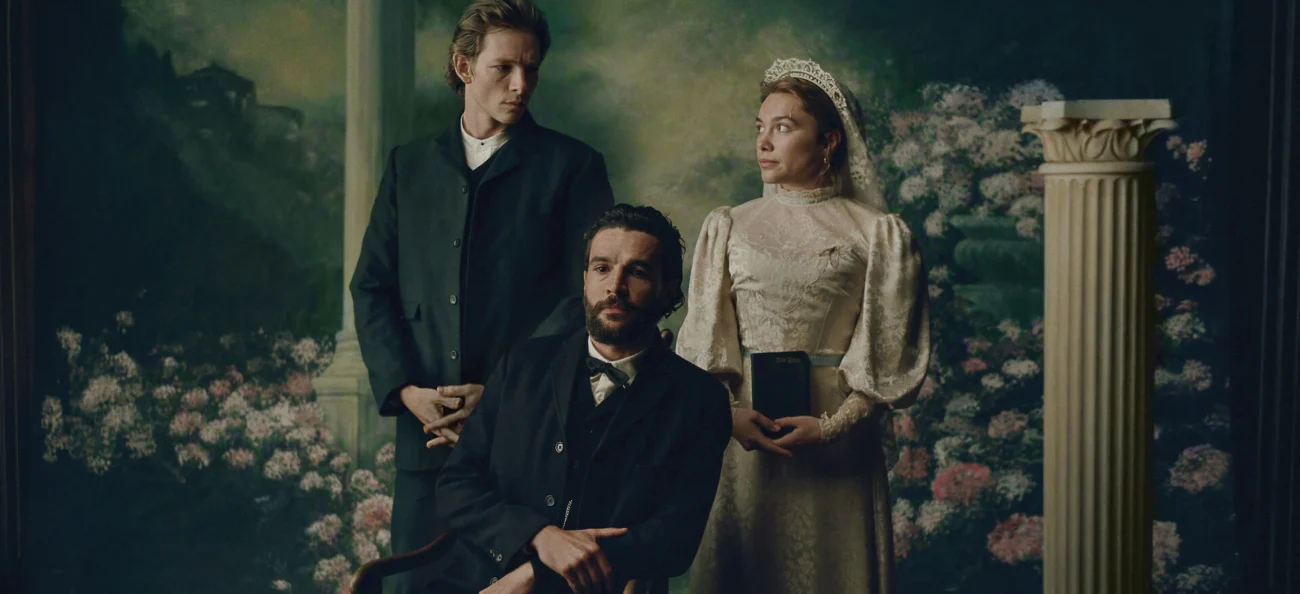
Additionally, there is a financial pattern at play. The novel features three significant inheritances within the Trask family, each valued similarly and built upon the previous one through theft, blackmail, bad faith, and prostitution. In all earlier instances, the money was divided between two individuals, but Cathy’s wealth is given solely to Aron.
One study guide posits that since Cal embodies the concept of timshel, it is fitting he receives none of Cathy’s wealth. This interpretation transforms the snub into a form of grace, as Cal is spared the burden of a tainted inheritance.
One perspective views the bequest as a final act of control. Analysis of the character suggests it serves as a last exercise of destructive leverage rather than redemption, contributing to Aron’s downfall, his enlistment, and eventual death in the war. From this viewpoint, wealth becomes merely ruin delivered with a signature.
Another interpretation emphasizes guilt and fear. Aron’s breakdown largely stems from his dread of inheriting his mother’s evil, and the fortune imposes a significant symbolic weight on him. If Cathy understood this, the gift is either a deliberate poison or a clumsy attempt to offer something back.
Kazan herself remains undecided. In an interview, she confessed that she grapples with the same question regarding this moment and remains unsure of the answer, as recorded in her conversation with TheWrap, stating, “That is a mystery to me, and I love that about it.” She and Jeb Stuart contemplated altering the scene but ultimately chose to retain it as it appears in the text.
The series consists of seven episodes, all released simultaneously on Netflix, allowing viewers to binge-watch the conclusion in one sitting. This accessibility places the will within reach of anyone who has followed Cathy’s narrative closely.
Kazan transforms Cathy’s use of the Wonderland potion into a final moment of dissociation, where Cathy sees her younger self and bids farewell to a harsh world. Pugh asserts that Cathy is aware it is the end. Thus, the will is signed by someone who has already begun to detach from her own existence.
The show also lays the groundwork for this unraveling. Variety points out that Cathy begins losing her sanity in Episode 6, when she starts hearing Charles’ voice in her head. Viewed in light of this decline, the decision to bequeath everything to Aron seems less like a calculated move and more like the final impulse of a woman who has exhausted all means of control.
So when Cathy relinquishes her fortune to the one son who recoiled from her, do you interpret it as a final curse, a broken apology, or something Steinbeck intended to remain ambiguous?